 blog
How to Ask the Right Questions as a Used Car Sales Manager
Last Updated: October 25, 2026
Quick Summary
Used car sales manager questions focus on assessing vehicle history, mechanical condition, reconditioning costs, and inventory fit before acquisition. Key questions include ownership history, service records, accident involvement, recalls, mechanical condition, seller tenure, and reason for sale. These questions help managers separate smart acquisitions from costly mistakes.
- Most vehicles sell within 30 to 60 days if priced correctly; anything beyond 90 days is a red flag requiring action.
- Implement a systematic reconditioning checklist covering exterior, interior, engine, transmission, brakes, electrical, safety, and undercarriage.
- Enforce aging thresholds: mandatory price review at 60 days and deep discount or auction at 90 days.
- Daily huddles with sales team reveal market trends, customer objections, and pricing feedback to adjust strategy.
- Verify vehicle history reports, title status, recalls, and warranty coverage before vehicles hit the lot.
Table of Contents
- Questions to Ask When Appraising Trade-Ins and Used Vehicles
- Building Your Used Car Reconditioning Checklist
- Monitoring Used Car Inventory Aging and Pricing Strategy
- Daily Questions to Ask Your Sales Team
- Effective Used Car Sales Scripts and Objection Handling
- Questions About Vehicle History, Title, and Compliance
- Implementing Your Manager Checklist at Your Dealership
- Frequently Asked Questions
Questions to Ask When Appraising Trade-Ins and Used Vehicles
When you're evaluating a trade-in or used vehicle, the right used car sales manager questions separate a smart acquisition from a costly mistake.
Start by asking about the vehicle's complete history. Request the how to check used car history reports so you can verify ownership, accident records, and service history before the appraisal even begins. This gives you concrete data to work from instead of relying on the seller's word.
Next, dig into mechanical condition. Ask the owner or technician: What repairs have been made in the last year? Are there any known issues? What's the mileage on the engine, transmission, and major components? These answers tell you whether you're looking at a quick reconditioning job or a money pit.
Key questions to ask:
- How many previous owners has this vehicle had?
- What's the service history, and where was it serviced?
- Has the vehicle been in any accidents, even minor ones?
- Are there any outstanding recalls or safety issues?
- What's the current mechanical condition, and what repairs does it need?
- How long has the seller owned this vehicle?
- Why is the seller trading it in or selling it?
Document everything. A vehicle that's been well-maintained by one owner for five years tells a very different story than one that's had four owners in two years. Use how to trade in your car resources to walk customers through the process while gathering the information you need.
Building Your Used Car Reconditioning Checklist
Your reconditioning checklist is your roadmap from acquisition to the sales lot. Without it, you'll miss damage, overlook safety issues, and waste time on vehicles that don't justify the repair costs.
A solid used car reconditioning checklist starts with the basics: exterior condition, interior cleanliness, mechanical systems, and safety features. Assign each item a priority level. Some repairs are non-negotiable for safety.
Walk through the vehicle systematically. Check the paint for damage, rust, or mismatches that suggest prior accidents. Look at the tires for wear and proper alignment. Open every door, window, and compartment. Test every electrical system: lights, wipers, air conditioning, power windows, locks.
Your reconditioning checklist should include:
- Exterior: paint, dents, rust, glass, trim, lights, tires
- Interior: upholstery, dashboard, carpeting, seats, odors
- Engine: oil level, coolant, belts, hoses, leaks
- Transmission and drivetrain: fluid levels, smooth shifting
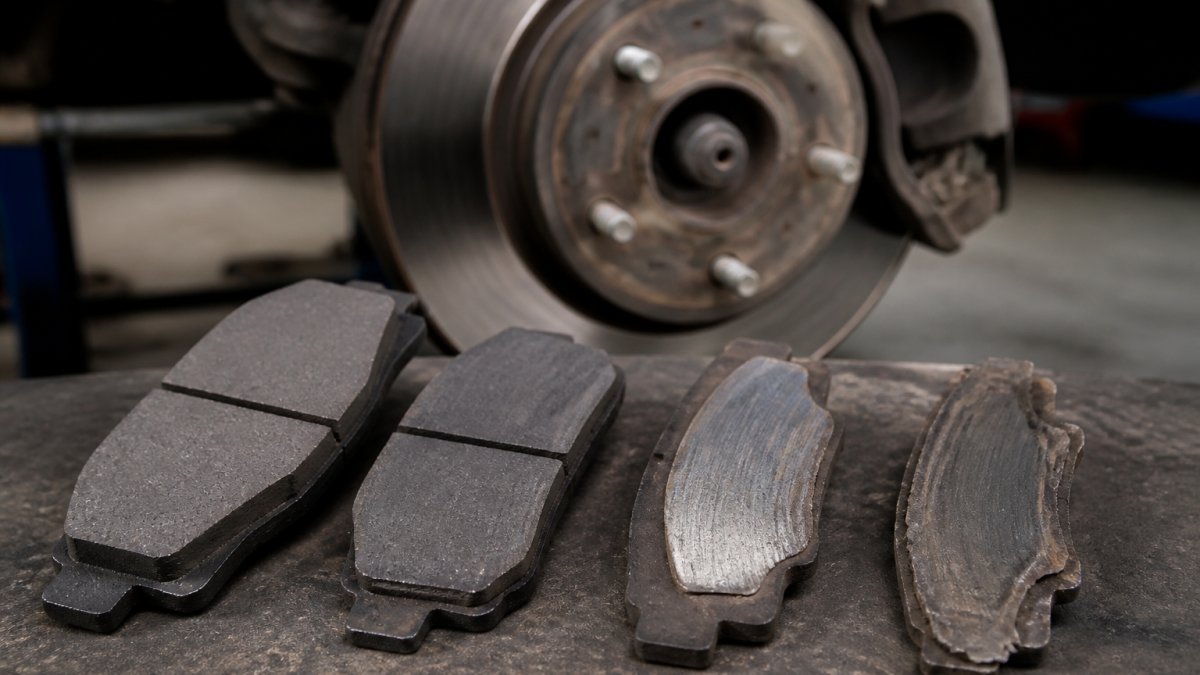
- Brakes: pad thickness, rotor condition, brake feel
- Electrical: all lights, wipers, power features, battery
- Safety: airbags, seat belts, warning lights on dashboard
- Undercarriage: rust, damage, leaks, suspension condition
Assign a team member to conduct a thorough inspection using how to inspect used car engines as a guide for the mechanical side. Document findings with photos and notes. This creates accountability and gives you proof of condition if disputes arise later.
Price your reconditioning work realistically. If a vehicle needs a transmission rebuild, that's a major cost. If it needs new tires and an oil change, that's routine.
Monitoring Used Car Inventory Aging and Pricing Strategy
Inventory that sits on the lot too long becomes a liability. You're paying for lot space, insurance, and the opportunity cost of capital tied up in that vehicle.
Start by establishing a baseline: How long does an average vehicle sit before it sells? Most dealers find that vehicles sell within 30 to 60 days if priced correctly. Anything beyond 90 days is a red flag.
Review pricing weekly. Use why used car prices fluctuate to understand market dynamics and adjust your prices accordingly. A vehicle that's been on the lot for 45 days needs a price cut.
Track these metrics for each vehicle:
- Days on lot (from acquisition to sale)
- Original asking price
- Final selling price
- Reconditioning costs
- Gross profit per vehicle
- Sell-through rate by vehicle type (SUVs, sedans, trucks)
Identify patterns. If all your sedans are selling in 30 days but all your trucks are sitting for 90 days, you know your market better. Adjust your acquisition strategy. Buy fewer trucks. Buy more sedans.
Set aging thresholds and enforce them. Any vehicle that hits 60 days gets a mandatory price review. At 90 days, it gets a deep discount or gets sent to auction. This discipline keeps your lot fresh and your capital flowing.
Track these key metrics for each vehicle to identify patterns and manage your inventory effectively.
| Metric | Target or Benchmark | Action Required |
|---|---|---|
| Days on lot | 30 to 60 days | Price cut if beyond 45 days |
| Aging threshold | 60 days | Mandatory price review |
| Aging threshold | 90 days | Deep discount or auction |
| Price adjustment | 5 to 10 percent | When vehicle hits 45 days |
| Sell-through rate | Track by vehicle type | Adjust acquisition strategy |
Daily Questions to Ask Your Sales Team
Your sales team is your frontline. They talk to customers, handle objections, and close deals. But they also gather intelligence about what's selling, what customers want, and what's sitting.

Start your day with a brief huddle of used car sales manager questions. Ask your team: Which vehicles got the most inquiries yesterday? Which ones did customers ask about but then walk away from?
Ask your team about pricing. Do they think the current asking price is competitive? Would a small price cut move that vehicle? Salespeople have instincts about market value.
Daily questions for your sales team:
- How many test drives did we do yesterday?
- Which vehicles got the most online inquiries?
- What objections did customers raise?
- Did any customers ask about specific repairs or history?
- Are there vehicles you think are priced too high?
- What vehicle types are customers asking for most?
- Did we lose any sales to competitors? Why?
- Are there any mechanical issues we should know about?
Track the answers. If your team consistently says a vehicle is overpriced, trust that feedback. If they say customers love a certain type of vehicle, buy more of that type.
End the day with a brief debrief. Celebrate wins. Address losses. Adjust strategy based on what you learned. This creates accountability and keeps your team engaged in the business, not just the transaction.
Effective Used Car Sales Scripts and Objection Handling
A good sales script isn't robotic. It's a framework that guides your team through the conversation while sounding natural. Your script should address common objections before they become deal-killers.
Start with transparency about price and condition. Customers expect you to hide things, so when you lead with honesty, it builds trust. "This vehicle has 95,000 miles.
Address the elephant in the room early. If a vehicle has accident history, say it. "This vehicle was in a minor accident three years ago. The frame is straight, the repairs were done professionally, and it's been solid since.
Build your script around customer needs, not features. Don't lead with horsepower and trim levels. Lead with what the vehicle does for them. "This SUV is perfect for families.
Core script framework:
- Welcome and rapport: "What brings you in today?"
- Needs assessment: "What are you looking for in a vehicle?"
- Vehicle match: "This one checks all your boxes because..."
- Transparency: "Here's what you should know about this vehicle..."
- Test drive: "Let's take it for a spin so you can feel the difference."
- Closing: "What do you think? Does this feel like the right fit?"
For objections, listen first. Let the customer finish their concern. Then address it directly. "You're worried about the mileage. That's smart.
Train your team to ask clarifying questions before answering objections. "When you say you're concerned about reliability, what specific issues worry you?" Often the real concern is different from what they first said.
Questions About Vehicle History, Title, and Compliance
Vehicle history and title issues can tank a deal or create legal liability. As a manager, you need to verify everything before a vehicle hits the lot.
Pull the vehicle history report for every vehicle. Check for accidents, flood damage, title issues, and service records.
Verify the title status. Learn how to verify used car titles to ensure compliance and confirm ownership and legal status. Is it clean? Is it a salvage title?
Ask about previous use. Was this a rental? A fleet vehicle? A personal car? Rental and fleet vehicles typically have higher mileage and wear. Customers should know this.
Check for outstanding recalls using the National Highway Traffic Safety Administration database. If a vehicle has unresolved recalls, you must disclose this and either fix it or adjust the price.
Ask about warranty coverage. What's remaining on the factory warranty? What's covered and what's excluded? Be clear about this in writing. Warranty confusion creates customer service headaches and potential disputes.
Document everything in writing. Create a disclosure sheet that lists the vehicle's history, any known issues, warranty coverage, and price. Have the customer sign it.
Implementing Your Manager Checklist at Your Dealership
Building a checklist is one thing. Making it stick across your team is another. Implementation requires training, accountability, and refinement.
Start by creating a written checklist for every major process: vehicle appraisal, reconditioning, pricing, sales process, and compliance. Make it simple enough that anyone can follow it, but detailed enough that nothing gets missed.
Train your team on the checklist. Show them why each item matters. Role-play scenarios. Make sure they understand the "why" behind each question and process, not just the "what."
Use technology to enforce the checklist. If you have a CRM or inventory management system, build the checklist into your workflow. Don't let a vehicle move to the next stage until the checklist is complete.
Review results weekly. Which vehicles are selling fastest? Which ones are sitting? What's the average reconditioning cost? What's your sell-through rate? Use this data to refine your processes.
The right questions separate managers who build profitable, efficient dealerships from those who just react to problems. Your appraisal process, reconditioning standards, pricing discipline, sales coaching, and compliance rigor all flow from asking the right questions at the right time.
Frequently Asked Questions
What should a used car sales manager ask when appraising a trade-in vehicle?
Start with the vehicle's complete history: How many previous owners? Any accidents or major repairs? Then verify mechanical condition by asking about recent service records, any warning lights, and how the transmission and engine perform. Request the VIN to pull a full vehicle history report. Ask about modifications or custom work. Finally, compare similar models' market value and condition to establish a fair appraisal price. Document everything in writing before making an offer.
How do you know when a used car is ready for sale after reconditioning?
Use a comprehensive used car reconditioning checklist covering mechanical systems, exterior condition, interior cleanliness, and documentation. Verify the title is clean and all paperwork is complete. Test drive the vehicle yourself to confirm it meets your dealership's quality standards. Check that all disclosed repairs are finished and documented. Ensure the vehicle passes any required inspections. Only list it for sale once every item on your checklist is marked complete and you've verified the pricing aligns with market comparables.
What questions help identify aging inventory that needs pricing adjustment?
Track how long each vehicle has been on the lot. Ask: Is this vehicle priced competitively compared to similar models at other dealers? Have we received inquiries but no offers? Does the vehicle have mechanical or cosmetic issues affecting its appeal? Used car inventory aging typically signals a need for price reduction or additional reconditioning. Review aging vehicles weekly and adjust pricing or marketing strategy if a car hasn't sold within 30-60 days, depending on market conditions and vehicle type.
What makes a great used car sales manager according to industry standards?
Great managers ask the right questions consistently, hold their team accountable to process, and balance profit with customer satisfaction. They review vehicle history reports before pricing, conduct pre-purchase inspections, and ensure transparent pricing with no hidden fees. They coach their sales team daily on objection handling and customer needs. They track inventory aging, monitor trade-in appraisals for accuracy, and maintain compliance with title and disclosure requirements. They also build trust by providing accurate vehicle condition assessments and honest communication about what each vehicle offers.