 ultimate-guide
Why Used Car Prices Fluctuate: A 2026 Guide
Table of Contents
- The Core Drivers Behind Why Used Car Prices Fluctuate
- How to Time a Used Car Purchase for the Best Deal
- Used Car Depreciation Rates: What Buyers Need to Know
- The Impact of Interest Rates on Auto Loans
- Supply Chain and New Car Inventory Effects on Pricing
- Seasonal Trends and Regional Demand in Used Car Pricing
- How Trade-In Values Fluctuate with Market Prices
- Frequently Asked Questions
Last Updated: September 27, 2026
The Core Drivers Behind Why Used Car Prices Fluctuate
Used car prices fluctuate because supply, demand, interest rates, and vehicle condition pull against each other in a market that resets constantly. At Carvibe Houston, we watch these shifts play out on our lot every week, and understanding them helps buyers time a purchase instead of guessing.
The used car market works differently from the new car market. New vehicle pricing is largely set by manufacturers, while pre-owned pricing is driven by what's actually available and what buyers are willing to pay. When new car inventory tightens, shoppers turn to used vehicles, and prices climb. When new car incentives return, some of that demand shifts back.
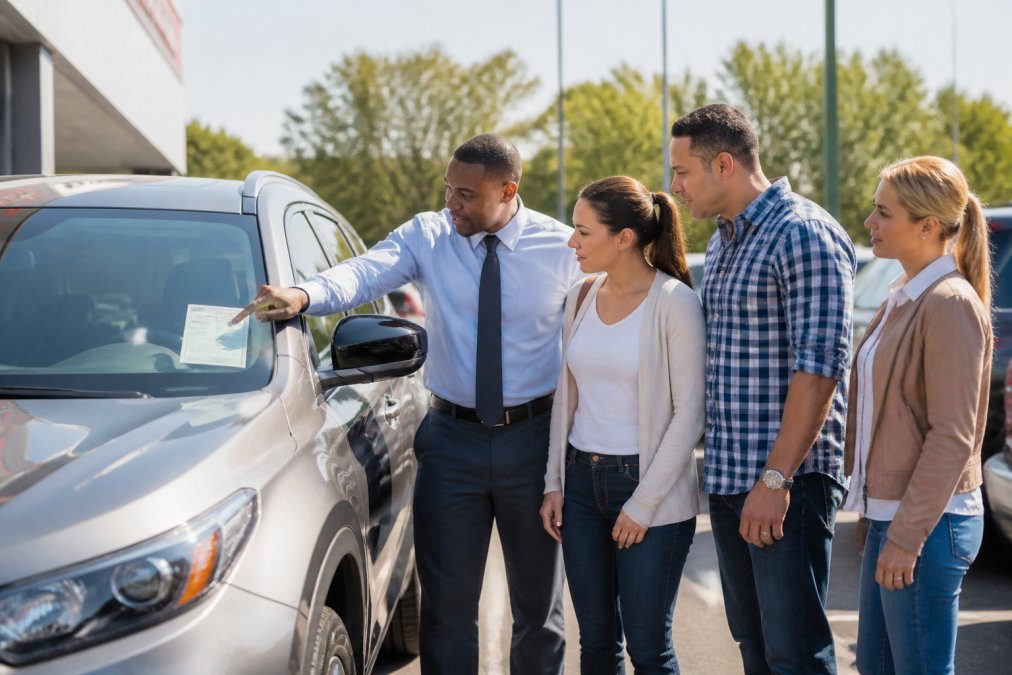
Condition matters too. A vehicle with complete maintenance records and a clean history commands more than an identical model with gaps in its service log. Mileage, accident history, and local availability all factor into what a dealer can reasonably ask.
How to Time a Used Car Purchase for the Best Deal
Timing a used car purchase comes down to watching three signals: inventory levels, interest rates, and seasonal demand. Buyers who track these before they shop tend to negotiate from a stronger position.
Late fall and winter often bring softer demand, which can mean more room to negotiate. Spring and early summer, when tax refunds arrive and families shop for summer travel, tend to tighten supply. End-of-month and end-of-quarter periods also matter, since dealerships work toward sales targets.
A practical approach:
- Check local inventory for the model you want two to three weeks before you plan to buy
- Compare listed prices across several similar vehicles to spot outliers
- Get pre-approved for financing so rate changes don't catch you off guard
- Shop mid-week and late in the month when showroom traffic is lighter
Used Car Depreciation Rates: What Buyers Need to Know
Used car depreciation rates describe how much value a vehicle loses over time, and the curve is not linear. The steepest drop typically happens in the first few years of a vehicle's life, then flattens as the vehicle ages. For used car buyers, that is good news: someone else absorbed the sharpest hit, and you enter at a lower price point.
What most guides skip is how depreciation is actually measured. Two numbers matter:
- Annual depreciation rate, the percentage of value lost per year. A model that loses 15% per year will be worth roughly half its original value after five years; one that loses 10% per year holds meaningfully more.
- Residual value, what the vehicle is projected to be worth at a set point, usually expressed as a percentage of original MSRP. Higher residual value means less depreciation and stronger resale.
You can estimate a specific vehicle's trajectory without paying for a forecast. Pull the original MSRP from the window sticker or a VIN lookup, then compare it to current asking prices for the same model, trim, and mileage band. The spread tells you how much value has already been shed, and how much room is left before the curve flattens.
Factors that slow depreciation:
- Strong brand reliability reputation and low cost of ownership
- Complete service history and maintenance records
- Popular body styles like SUVs and trucks in your region
- Lower mileage relative to the vehicle's age
- Trims and colors that match mainstream demand (neutral exteriors, mid-level packages)
Factors that accelerate it:
- Discontinued models with limited parts availability
- High mileage without documented service
- Prior accident history or branded titles
- Models with known mechanical issues or expensive scheduled maintenance
- Heavy aftermarket modifications that narrow the buyer pool
One more distinction buyers miss: depreciation is a paper loss, not a cash loss. You only realize it when you sell or trade. If you plan to keep the vehicle until the curve flattens, depreciation matters far less than reliability, maintenance cost, and financing terms.
The Impact of Interest Rates on Auto Loans
The impact of interest rates on auto loans is direct: when rates rise, monthly payments climb even if the vehicle price stays flat. This is why two buyers can pay very different totals for the same car.
Interest rates affect used car pricing in a second, less obvious way. When financing gets expensive, some buyers delay purchases, which softens demand and can push prices down. When rates fall, demand returns and prices firm up. The two forces rarely move in perfect sync, which creates windows of opportunity.
According to Consumer Financial Protection Bureau auto loan guidance, understanding the total cost of financing, not just the monthly payment, is essential before signing. Buyers with lower credit scores typically face higher rates, which makes shopping around for financing as important as shopping for the car itself.
Supply Chain and New Car Inventory Effects on Pricing
Supply chain and new car inventory effects on pricing ripple straight into the used market. When new vehicle production slows or inventory sits thin on dealer lots, used prices rise because buyers have fewer alternatives.
The reverse is also true. When manufacturers restore production and offer incentives on new vehicles, some used car shoppers switch to new, easing pressure on pre-owned prices. This is why watching new car inventory at local dealerships gives you an early read on where used prices are heading.
For buyers, the practical takeaway is simple: if new car inventory is tight and incentives are scarce, expect to pay more for a used vehicle and plan accordingly. If new car lots are full and promotions are back, you have more use.
Seasonal Trends and Regional Demand in Used Car Pricing
Seasonal trends and regional demand shape used car pricing in ways that national averages miss. Prices for the same model can differ meaningfully from one metro area to another based on local supply and buyer preferences.
In warm-weather regions, convertibles and rear-wheel-drive sports cars see stronger demand in spring. In areas where trucks and SUVs dominate commutes and weekend use, those body styles hold value better year-round. Snowbelt markets push all-wheel-drive demand up in fall and winter.
Timing your purchase around these patterns can work in your favor.
How Trade-In Values Fluctuate with Market Prices
How a dealer actually builds a trade offer
- Wholesale benchmark, the dealer looks up recent auction results for your year, make, model, trim, and mileage band.
- Condition adjustment, deductions for damage, worn tires, warning lights, missing keys or floor mats, and any needed reconditioning.
- History adjustment, accident records, branded titles, and service gaps reduce the benchmark.
- Market adjustment, local supply and demand for that model shift the number up or down.
- Margin and reconditioning holdback, the dealer subtracts expected recon cost and profit before quoting you.
| Market Condition | Trade-In Offer Trend | Best Move for Sellers |
|---|---|---|
| Rising used prices | Offers climb after a lag | Wait a few weeks if you can |
| Flat market | Offers hold steady | Get multiple appraisals |
| Falling used prices | Offers drop quickly | Act sooner rather than later |
| Tight local supply | Premium for clean vehicles | Highlight maintenance records |
How to verify the number you are offered
One gap most guides ignore: a trade-in is not your only exit. Private-party sales often net more than a dealer offer because you capture the retail margin the dealer would have kept, at the cost of your time, listing effort, and handling paperwork and payment safely. For a clean, in-demand vehicle, that spread can be worth the extra work. For a vehicle with history issues or limited local demand, a dealer trade is usually faster and sometimes close enough to make the convenience worth it.
Frequently Asked Questions
What factors cause used car prices to change over time?
Used car prices shift due to supply and demand, new car inventory levels, interest rates, and seasonal trends. When new car production slows, demand for used cars rises, pushing prices up. Conversely, when new car incentives increase, used car prices often fall. Depreciation also plays a role, with vehicles losing value at different rates depending on age, mileage, and condition.
How do interest rates influence the affordability of used cars?
Interest rates directly affect monthly payments on auto loans. When rates rise, financing costs increase, reducing how much buyers can afford. This can lower demand for used cars, leading to price drops. Conversely, low rates make financing cheaper, boosting demand and pushing prices higher. Monitoring the Federal Reserve's rate decisions can help you time your purchase.
Does the availability of new car inventory affect used car pricing?
Yes, new car inventory has a major impact. When new car supply is tight, buyers turn to used cars, driving up prices. When new car inventory is plentiful and incentives are strong, more buyers choose new, easing demand on used cars and causing prices to fall. This relationship is a key driver of used car price fluctuations.
Why do trade-in values fluctuate alongside retail prices?
Trade-in values are tied to wholesale auction prices, which move with retail demand. When used car prices rise, dealers pay more at auction, so they offer higher trade-in values. When retail prices fall, trade-in offers drop too. This means your current car's value can change significantly in a short time, so timing your trade-in matters.