 how-to
How to Check Used Car History Reports: 2026 Guide
Table of Contents
- Why You Need a Used Car History Report Before You Buy
- How to Check a Used Car History Report: Step by Step
- Common Vehicle History Report Red Flags to Watch For
- Free VIN Check Tools vs Paid Reports: What You Actually Get
- Your Used Car Pre-Purchase Inspection Checklist
- Verifying Report Authenticity and Cross-Border Title Issues
- Frequently Asked Questions
Last Updated: September 14, 2026
Why You Need a Used Car History Report Before You Buy
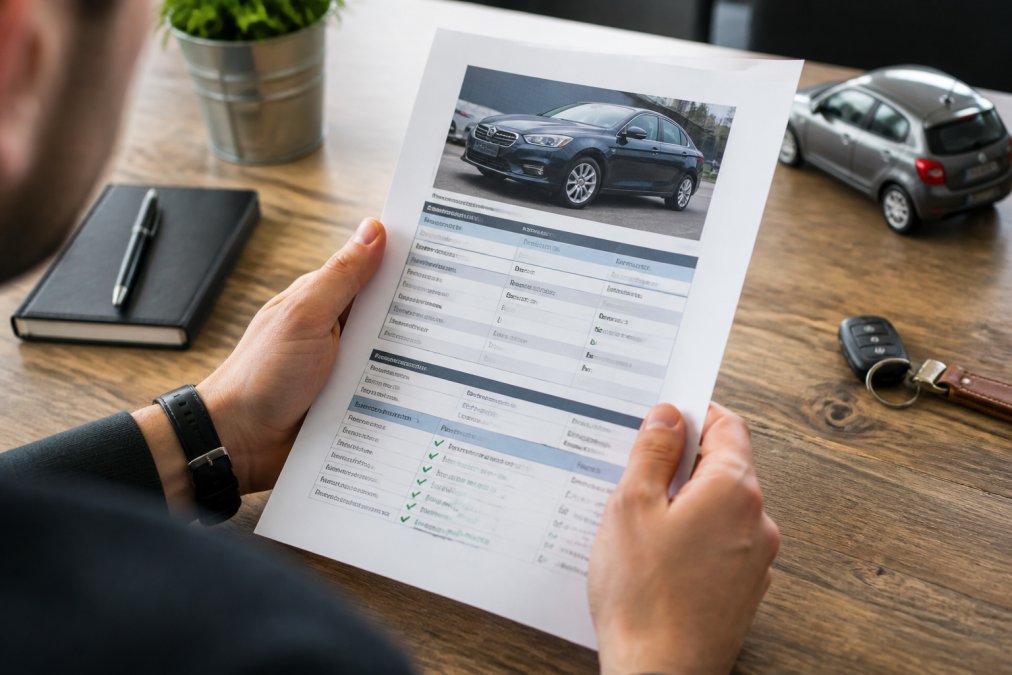
A used car history report is a document that compiles a vehicle's title records, accident events, odometer readings, and registration activity into one file tied to its vehicle identification number. At Carvibe Houston, we pull these reports before we ever list a trade-in, because the gap between what a seller claims and what the paperwork proves is often wide.
That gap costs buyers real money. A car with a salvage title, a rolled-back odometer, or an unreported accident can look immaculate in a driveway and still fail you at the worst moment. The report is your first line of defense, not a formality.
Below, we'll show you exactly how to check used car history reports, what each section actually means, and which red flags should end a deal on the spot. Most guides stop at "buy a report." This one teaches you to read it.
What a Report Can and Cannot Tell You
A report can confirm title status, prior total loss events, odometer progression, and whether a lien holder still has a claim on the car. It cannot tell you whether the transmission is failing, whether the frame has hidden rust, or whether the seller maintained the vehicle. Reports document events that were reported to a state motor vehicle department or an insurer. Repairs paid in cash, minor collisions settled privately, and deferred maintenance rarely appear. Treat the report as a screening tool, then verify with your own eyes and a mechanic.
How to Check a Used Car History Report: Step by Step
Checking a used car history report takes about 15 minutes if you have the VIN in hand. The process has three parts: find the VIN, run it through a provider, then read the output section by section rather than scanning for a pass or fail grade.
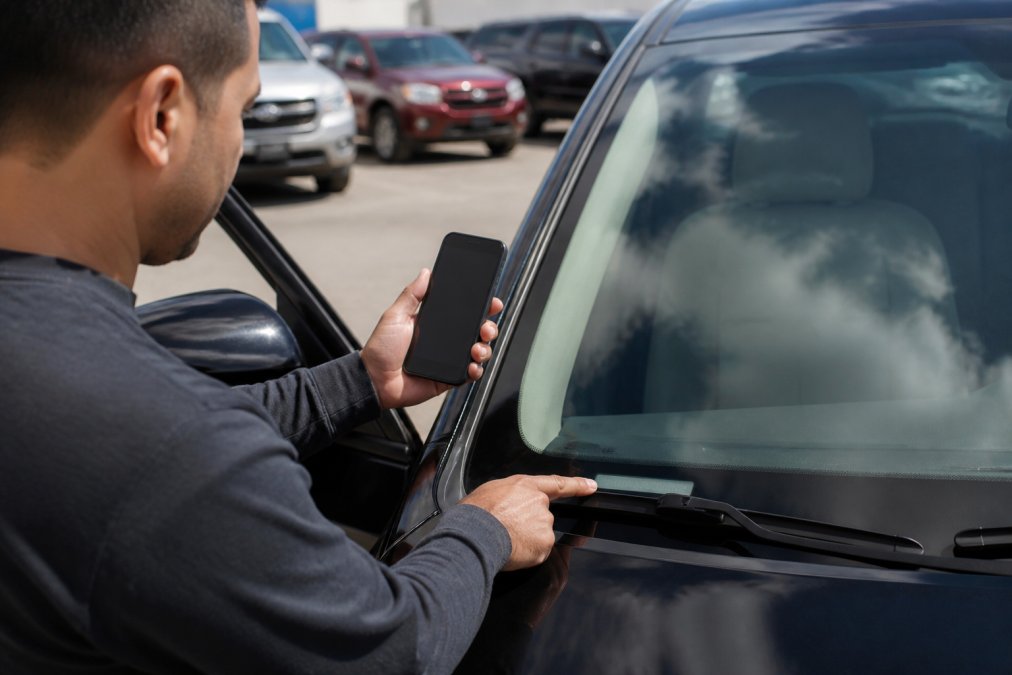
Step 1: Locate the VIN
The VIN is a 17-character code stamped in several places. Check the driver's side dashboard near the windshield, the driver's door jamb sticker, and the front of the engine block. All three should match. A mismatched or scratched-off door jamb sticker is an immediate walk-away signal.
Step 2: Choose a Report Provider and Run the Check
Enter the VIN on a provider's site and pay for the report, or start with a free VIN check tool to confirm basic title branding first. Paid reports pull from broader databases, including insurance claim records and multi-state title data. A common mistake is running only the free check and assuming a clean result means a clean car.
Step 3: Read the Report Section by Section
Read the title history first, then the accident and damage entries, then the odometer log, then registration history. Cross-reference dates. If an accident appears in March and the car was re-registered in a different state in April, someone moved it quickly. Ask why.
Common Vehicle History Report Red Flags to Watch For
Most guides hand you a list of red flags and stop. That leaves you standing in a seller's driveway with a printout and no idea whether a single notation should kill the deal or just lower your offer. Use the framework below to sort what you find into three buckets: walk away, investigate further, or proceed with caution.
Walk-Away Flags
These are structural problems that rarely resolve in your favor:
- Salvage or rebuilt title - the insurer declared the vehicle a total loss. Even a quality rebuild carries resale and insurability penalties that follow the car.
- Odometer rollback - a reading lower than an earlier service or registration entry. This is federal odometer fraud under the Truth in Mileage Act, and it is a crime, not a clerical error (Civil Division).
- Lien holder still on file - the seller cannot legally transfer clear title until the lien is released. You could pay in full and still not own the car outright.
- Stolen vehicle notation - stop immediately and contact local law enforcement. Do not negotiate.
- Title washing - a salvage brand that disappears after the car crosses state lines. This is the hardest flag to spot and the most expensive to inherit.
Investigate-Further Flags
These need a paper trail before you commit:
- Airbag deployment - signals a serious impact. Ask for the repair invoice and confirm the airbags were replaced, not just the sensors reset.
- Flood damage notation - electrical gremlins can surface months later. Have a mechanic inspect every module, connector, and ground point.
- Gaps in registration history - a car that vanished from records for two years may have been off-road, exported, or repaired off the books.
- Repeated auction cycles - a vehicle that keeps getting wholesaled often has a problem retail buyers keep rejecting.
- Open safety recalls - unrepaired defects the seller never addressed. Check the NHTSA recall lookup by VIN and confirm the remedy was performed.
Proceed-With-Caution Flags
These lower value but do not necessarily end the deal:
- Minor accident with no structural damage - use it as negotiating leverage and verify the repair quality.
- Multiple owners in a short period - could be a lease turn-in pattern or could signal a problem car. Ask for service records.
- Out-of-state registration history - normal for a relocated owner, but confirm the title brand followed the car.
The Go/No-Go Decision Matrix
| Flag Combination | Action |
|---|---|
| Any walk-away flag | Stop. Do not negotiate. |
| Two or more investigate-further flags | Walk unless the seller produces documentation resolving both. |
| One investigate-further flag plus one proceed-with-caution flag | Proceed only after a pre-purchase inspection clears the specific concern. |
| Only proceed-with-caution flags | Negotiate price, then inspect. |
| No flags | Still inspect. A clean report is not a clean car. |
Free VIN Check Tools vs Paid Reports: What You Actually Get
The gap between a free VIN check and a paid report is not marketing spin. It comes down to which databases each one can legally and technically reach. Understanding the sources tells you exactly what you are buying.
Where the Data Comes From
- State motor vehicle departments - title records, brand notations, registration events.
What Free Tools Actually Cover
What Paid Reports Add
| What You Get | Free VIN Check | Paid Report |
|---|---|---|
| Title brand (salvage, flood, lemon) | Yes | Yes |
| Stolen vehicle check | Yes | Yes |
| Open recall status | Yes | Yes |
| Accident and damage history | No | Yes |
| Odometer readings over time | No | Yes |
| Multi-state registration trail | No | Yes |
| Lien holder information | Sometimes | Yes |
| Auction and salvage sale records | No | Yes |
How to Sequence Them Without Wasting Money
The Limits Neither Tool Covers
Your Used Car Pre-Purchase Inspection Checklist
Verifying Report Authenticity and Cross-Border Title Issues
Frequently Asked Questions
How can I check the history of a used car?
Start by locating the vehicle identification number on the driver-side dashboard or door jamb. Then run that VIN through a paid history report provider like Carfax or AutoCheck, which pulls data from state motor vehicle departments, insurance claims, and auction records. Review title status, accident history, odometer reading, and lien holder information. A report takes minutes to generate and costs a small fee, but it gives you a documented record of the car's past before you commit to a used car purchase.
Is there a truly free car history report?
Free VIN check tools provide limited data at no cost. They typically show theft and salvage records, and recall status. Neither includes full accident history, service records, or title washing details. For a complete vehicle history report, you will need a paid provider. Some dealerships, including Carvibe Houston, will show you the full report before you visit so you can review it without paying out of pocket.
What specific red flags should I look for in a vehicle history report?
Watch for a salvage title, flood damage notation, odometer rollback, repeated ownership transfers in a short period, and unreported accident gaps. A lien holder listed on the title means the car is not fully paid off. Title washing, where a branded title is moved through another state to hide damage, is harder to spot but shows up as inconsistent registration history. Any of these common vehicle history report red flags should prompt you to walk away or demand a pre-purchase inspection before proceeding.
Does a clean history report mean the car has never been in an accident?
No. A clean report only reflects what was reported to the databases the provider pulls from. Minor accidents paid out of pocket, damage repaired without an insurance claim, and incidents in states with delayed reporting may never appear. That is why a used car pre-purchase inspection checklist matters just as much as the report. A mechanic can spot frame damage, airbag deployment signs, and paintwork that a database never captured. Use the report as one tool, not the final word.