 blog
7 Alternatives to Full-Size Trucks for Towing in 2026
Table of Contents
- Why Look Beyond a Full-Size Truck for Towing?
- The Real Costs of Full-Size Ownership
- Towing Capacity by Vehicle: A Side-by-Side Comparison
- Best Towing Vehicles That Aren't Trucks
- Midsize Trucks for Towing: The Middle Ground
- Payload, Tongue Weight, and Combined Weight Limits
- How to Choose a Vehicle for Towing
- What to Check Before You Buy a Used Towing Vehicle
- Conclusion
- Frequently Asked Questions
Last Updated: October 21, 2026
Why Look Beyond a Full-Size Truck for Towing?
A full-size truck is often the default answer for towing, but alternatives to full size trucks for towing are rarely the smartest choice for drivers who tow occasionally.
The core issue is that most people overbuy. They picture the heaviest trailer they might someday pull and shop for that worst case, then spend years paying for capability they never use.
This guide breaks down the real options: full-size SUVs, midsize SUVs, minivans, cargo vans, wagons, and midsize trucks.
The Real Costs of Full-Size Ownership
The biggest cost of a full-size truck is not the sticker. It is everything that follows: fuel, tires, insurance, and the daily friction of driving a large vehicle you do not need.
A full-size truck typically weighs more, burns more fuel, and costs more to insure than a midsize SUV or minivan. Those costs compound over years of ownership.
There is also a usability cost that never shows up on a spec sheet. Full-size trucks are harder to park, harder to maneuver in tight lots, and less comfortable for passengers who are not sitting in the front row.
Towing Capacity by Vehicle: A Side-by-Side Comparison
Towing capacity varies dramatically by vehicle class, and the ranges below show why matching matters more than maximizing. These are general class ranges, not model-specific ratings. Always confirm the exact rating for a specific vehicle by its VIN and door-jamb sticker.
| Vehicle Class | Typical Tow Rating Range | Best For | Daily-Driver Trade-off |
|---|---|---|---|
| Full-size SUV | Highest in class | Boats, campers, family hauling | Thirsty, large footprint |
| Midsize SUV | Light to moderate | Utility trailers, small boats | Limited payload margin |
| Minivan | Light loads | Jet skis, small utility trailers | Not built for heavy tongue weight |
| Cargo van | Moderate | Work trailers, equipment | Bare-bones passenger comfort |
| Midsize truck | Moderate | Trailers plus open-bed cargo | Smaller bed than full-size |
| Wagon | Light loads | Small trailers, gear | Rare, limited configurations |
How to Read the Numbers
The headline tow rating is the maximum the vehicle can pull under ideal conditions, and it is almost never the number that limits you in practice.
Towing capacity is the maximum weight a vehicle is rated to pull, but it assumes a base-model configuration with minimal cargo and passengers.
Payload is the weight of everything in and on the vehicle: passengers, cargo, and the tongue weight of the trailer. Tongue weight counts against payload, and it is the figure buyers forget.
Gross combined weight rating is the maximum allowed weight of the vehicle plus the trailer plus everything in both. It is the ceiling that ties all the other numbers together.
Best Towing Vehicles That Aren't Trucks
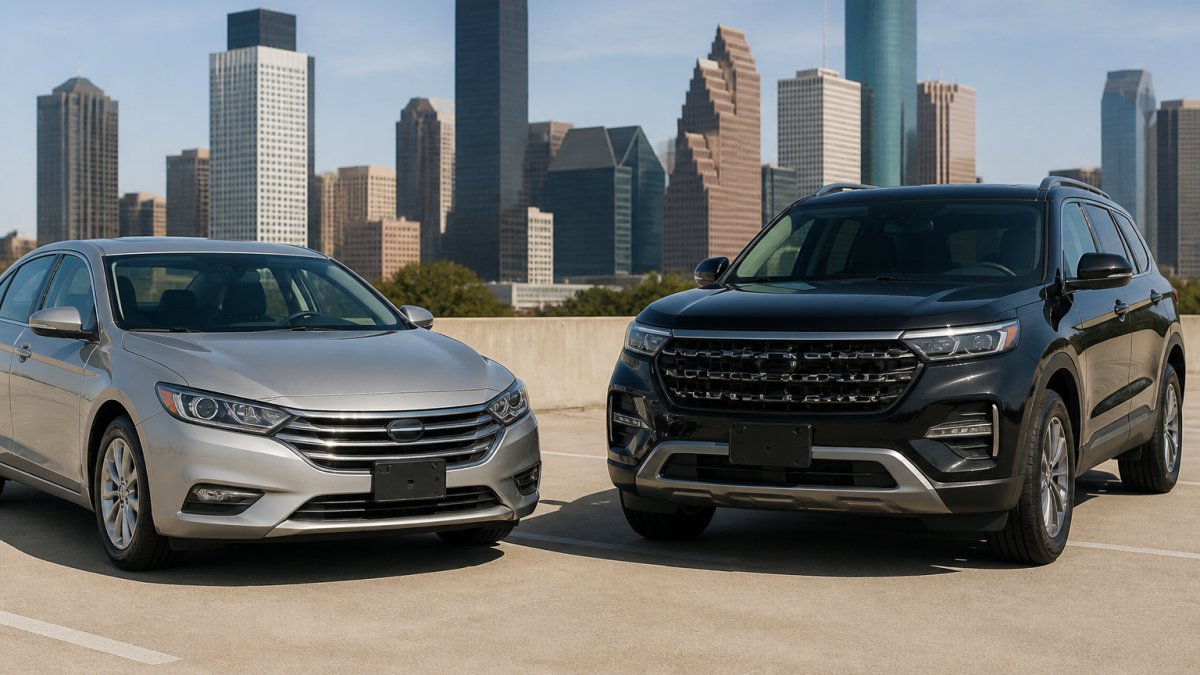
The best towing vehicles that aren't trucks fall into three practical groups: full-size SUVs for heavy loads, midsize SUVs and crossovers for light to moderate loads, and minivans, cargo vans, and wagons for lighter duty with better everyday manners. Each group has a clear best use, and picking the wrong one is where buyers get into trouble.
Full-Size SUVs: The Closest Truck Substitute
Full-size SUVs are the closest thing to a truck without buying one. They share truck-based platforms, offer strong tow ratings, and add a enclosed cabin that keeps cargo dry and secure.
The trade-off is appetite. Full-size SUVs are heavy, thirsty, and expensive to run. They also carry a higher center of gravity than a pickup, so stability under load depends heavily on a proper weight-distributing hitch setup. For a family that tows a boat or camper and needs three rows the rest of the week, a full-size SUV is the most sensible non-truck choice.
Midsize SUVs and Crossovers: Capable for Light Loads
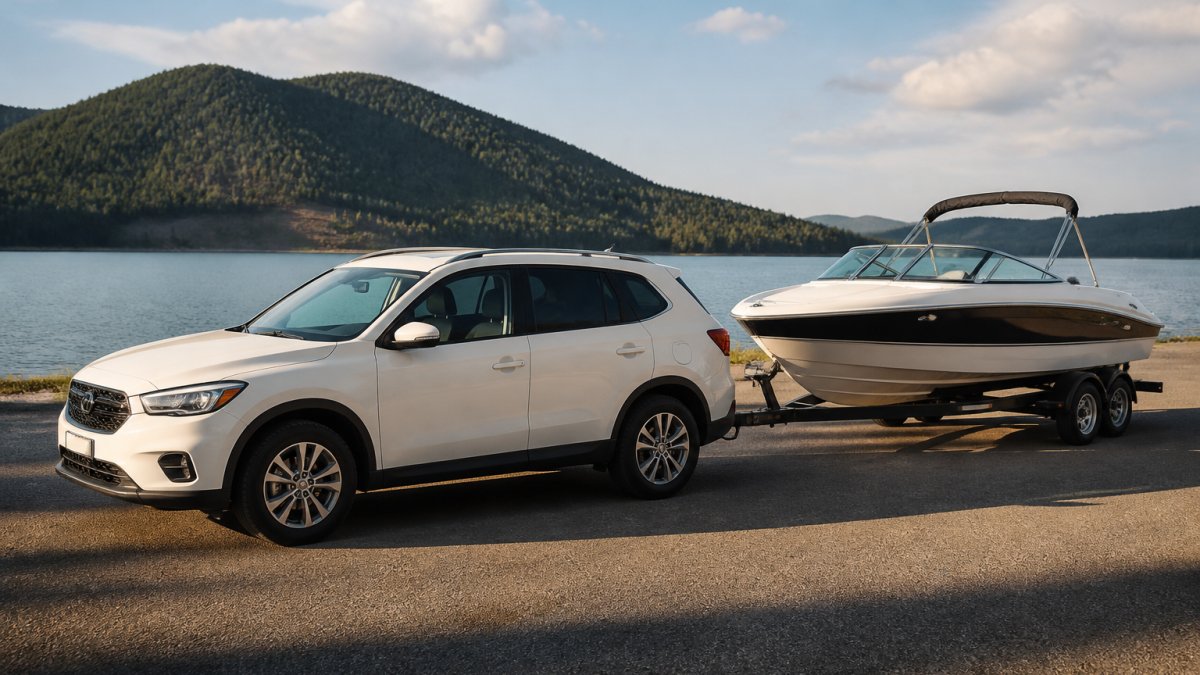
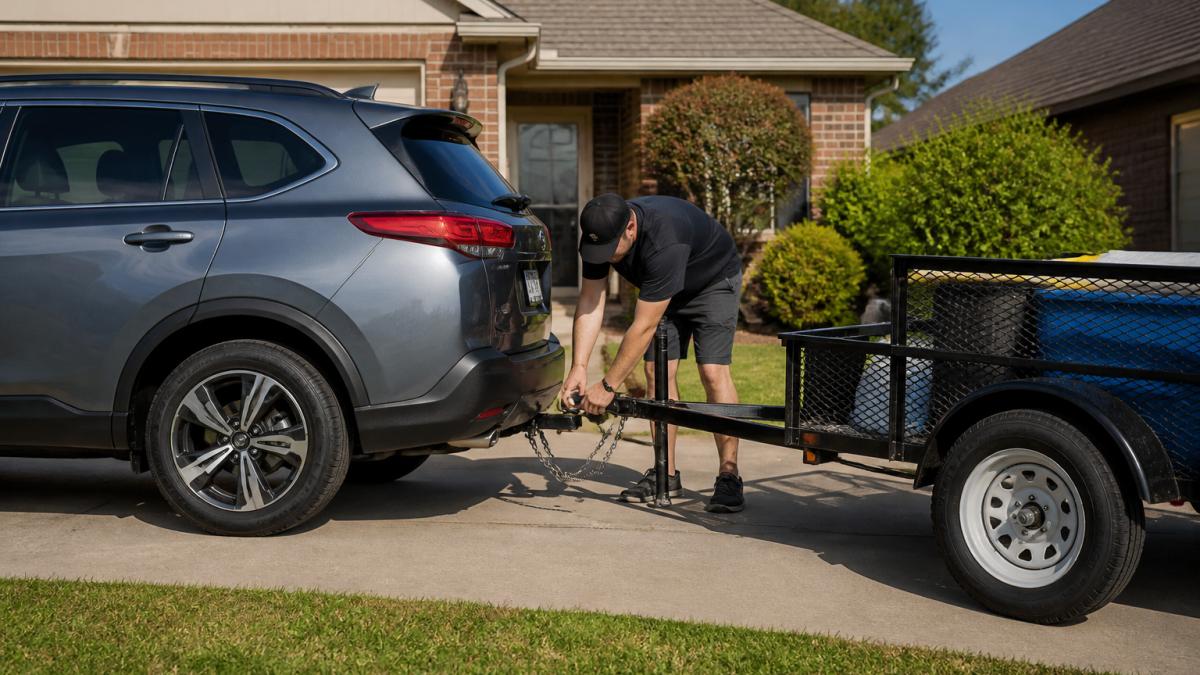
Midsize SUVs handle light to moderate towing well when properly equipped. A utility trailer, a small boat, or a pair of jet skis is well within reach for many models with a factory towing package.
The catch is payload. Midsize SUVs fill up fast with passengers and gear, and tongue weight eats into that same budget. Check the door-jamb sticker for the specific vehicle's payload before you assume it can handle your trailer. Crossovers built on car platforms are the least capable here and should stay with the lightest loads.
Minivans, Cargo Vans, and Wagons: The Underrated Options
Minivans, cargo vans, and wagons are the most underrated towing options, and they deserve more attention than they get. A minivan can pull a small utility trailer or a pair of jet skis, and it does so with better fuel economy and far more passenger comfort than a truck.
Cargo vans trade comfort for cargo capacity and work well for tradespeople hauling equipment trailers. Wagons are the rarest option, but a properly equipped wagon handles light loads with the best driving manners of the group. None of these are heavy-duty tow rigs, and none should be pushed past their ratings.
Midsize Trucks for Towing: The Middle Ground
Midsize trucks for towing sit in a sweet spot: real truck capability in a package that fits a normal garage. They tow moderate loads, haul cargo in an open bed, and drive far more easily than a full-size truck.
For buyers who need a bed and occasional towing but do not want the size and running costs of a half-ton, a midsize truck is often the right answer. The bed is smaller and the tow rating lower than a full-size, but for a utility trailer, a small camper, or a boat, a midsize truck covers the job. Payload still limits you, so check the sticker rather than the brochure.
Payload, Tongue Weight, and Combined Weight Limits
Payload, tongue weight, and combined weight limits decide whether a vehicle can actually tow your trailer, and they matter more than the headline tow rating. Most overloaded setups are within their tow rating and over on payload.
Here is how the three interact:
- Payload is the ceiling for passengers, cargo, and tongue weight combined.
- Tongue weight is the downward force the trailer puts on the hitch, and it counts against payload.
- Gross combined weight rating caps the total weight of the loaded vehicle plus the loaded trailer.
A common rule of thumb is that tongue weight should land around 10 to 15 percent of the loaded trailer weight, but always follow the trailer manufacturer's guidance and the vehicle's hitch rating. Exceeding payload or tongue weight is a safety problem, not just a paperwork one: it affects braking, steering, and stability.
How to Choose a Vehicle for Towing
How to choose a vehicle for towing comes down to one principle: match the vehicle to the trailer you actually own, not the one you might buy someday. Start with the trailer's loaded weight and tongue weight, then work backward to a vehicle that handles both with margin to spare.
Match the Vehicle to the Trailer, Not the Other Way Around
Weigh or estimate your loaded trailer first. Add water, fuel, gear, and anything else you carry. Then compare that figure to a candidate vehicle's tow rating, and compare the trailer's tongue weight to the vehicle's payload after passengers and cargo.
Leave a margin. Towing at the absolute limit leaves no room for a full tank, extra passengers, or a steep grade. A vehicle rated comfortably above your real load will tow better and last longer.
Occasional Versus Frequent Towing Needs
Occasional towing favors everyday usability. If you tow a few times a year, a midsize SUV, minivan, or wagon will serve you better the other 350 days. Frequent towing favors capability: a full-size SUV or midsize truck makes more sense when the trailer is hitched most weekends.
Be honest about frequency. Buyers routinely overestimate how often they will tow, then pay for capability they rarely use.
What to Check Before You Buy a Used Towing Vehicle
A used towing vehicle needs a closer look than a used commuter car, because towing puts extra stress on the cooling system, transmission, brakes, and frame. Here is our pre-purchase checklist:
- Confirm the exact tow rating and payload from the door-jamb sticker, not the sales listing
- Check for a factory towing package: hitch receiver, wiring, transmission cooler, upgraded cooling
- Inspect the hitch receiver and frame mounts for cracks, rust, or deformation
- Check transmission fluid condition and service history
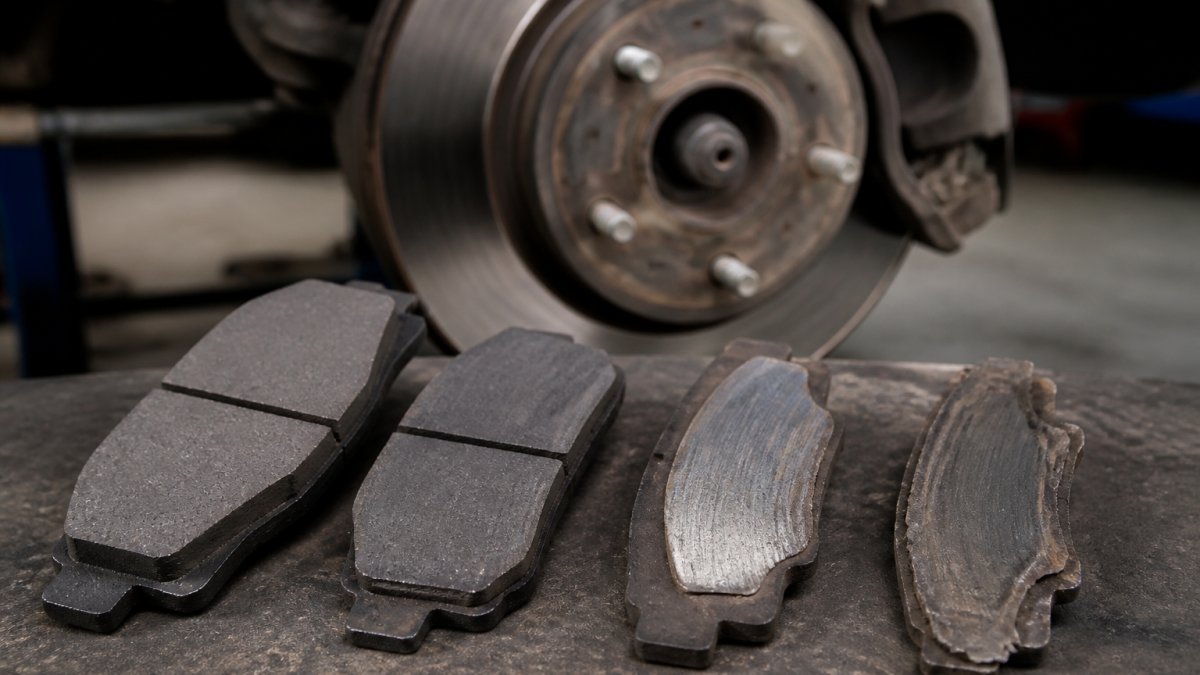
- Inspect brake pads, rotors, and fluid, since towing accelerates brake wear
- Look at tire load rating and age, not just tread depth
- Pull a vehicle history report to check for prior towing-related damage or accidents
- Confirm the trailer wiring harness works on all circuits
A vehicle that was never set up for towing can be equipped, but a factory-equipped one is usually the better starting point. At Carvibe Houston, we walk buyers through the door-jamb sticker so they know the real numbers.
Conclusion
The hardest part of choosing a towing vehicle is resisting the urge to overbuy. Most drivers who think they need a full-size truck actually need a midsize SUV, a minivan, or a midsize truck that fits their real trailer and their daily life.
At Carvibe Houston, we help buyers sort this out before they sign. Our team offers a diverse selection of pre-owned SUVs, trucks, and sedans, flexible financing options regardless of credit history, competitive trade-in values, and on-site service to keep a towing-capable vehicle in shape. Search our inventory and find the vehicle that matches the load you actually haul.
Frequently Asked Questions
What is a good alternative to a full-size truck for towing?
Full-size SUVs, midsize trucks, and even some minivans can handle many towing tasks. A properly equipped full-size SUV often matches half-ton truck ratings for boat and utility trailers. Midsize trucks offer open-bed utility with easier parking. The right choice depends on your trailer weight, payload needs, and daily driving. At Carvibe Houston, we help buyers match a pre-owned vehicle to their actual towing capacity by vehicle requirements.
Can a midsize truck tow a travel trailer?
Many midsize trucks can tow travel trailers, but you must check the specific tow rating and payload. Lightweight trailers under 5,000 pounds are usually within range for well-equipped models. Heavier trailers may exceed midsize limits. Always verify tongue weight and gross combined weight, and ensure the truck has a factory towing package with a hitch receiver and trailer brake wiring. Test the setup on a scale before committing to a long trip.
Which SUVs are good for towing?
Full-size SUVs with body-on-frame construction and V8 or strong V6 engines are the best SUV tow vehicles. They offer high towing capacity by vehicle and generous payload. Midsize SUVs can handle light utility trailers and small campers, typically up to 5,000 pounds when properly equipped. Look for a factory tow package, integrated trailer brake controller, and sufficient cooling. Always confirm the hitch rating and never exceed the manufacturer's stated limits.
How much towing capacity do I need for my trailer?
Add the trailer's dry weight, cargo, water, and gear to get the loaded weight. Then aim for a vehicle rated at least 10-20% above that figure for a safety margin. Also check tongue weight (usually 10-15% of trailer weight) against the vehicle's payload and hitch rating. For example, a 4,000-pound loaded boat trailer needs a vehicle rated around 4,500-5,000 pounds. Use a public scale to confirm real-world weights before towing.