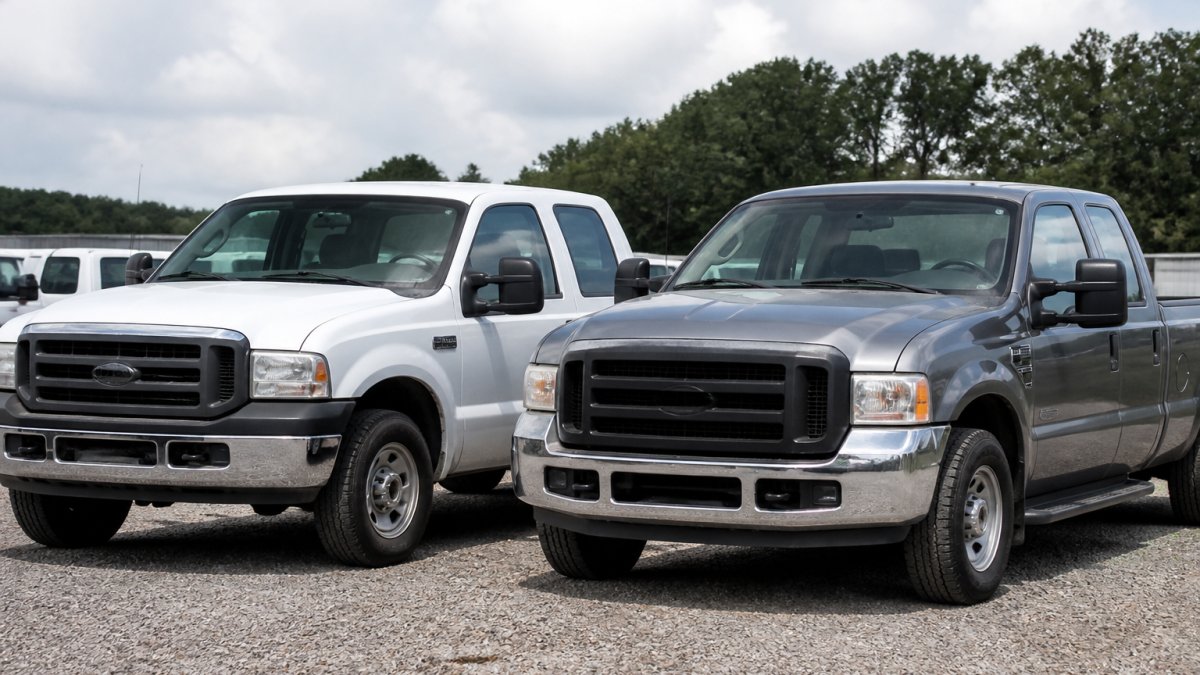
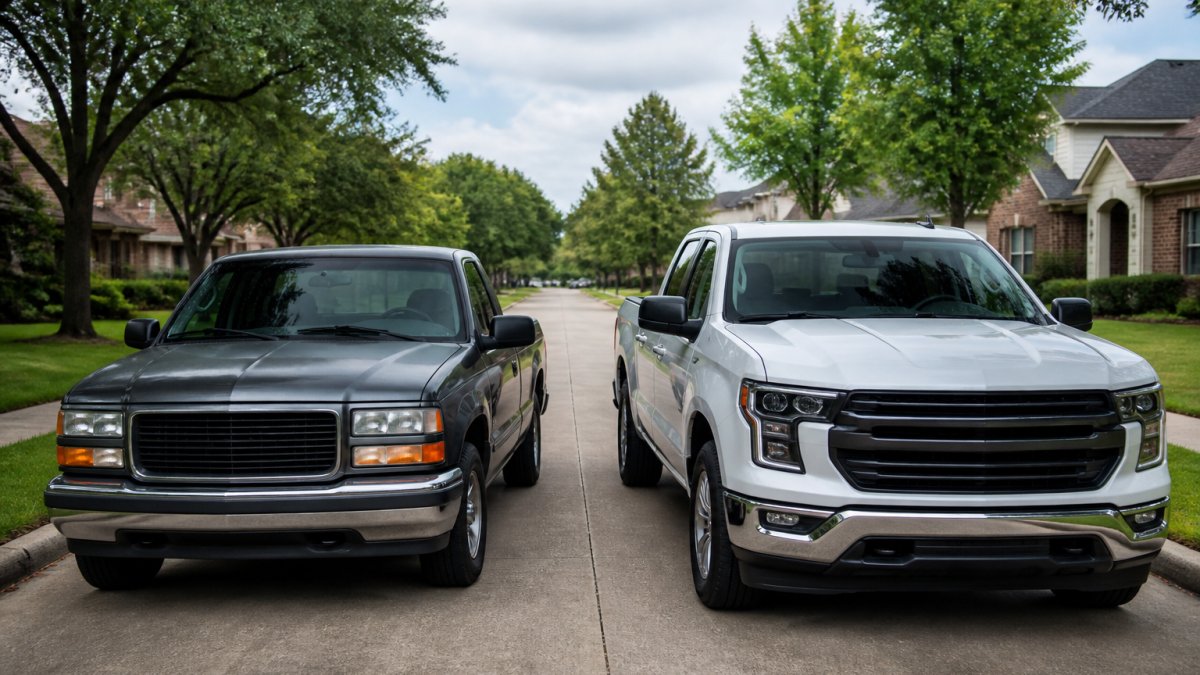
 comparison
Used Truck vs New Truck for Daily Commuting
Table of Contents
- Daily Commuting in a Truck: The New vs. Used Decision
- New vs. Used Truck Cost of Ownership for Commuters
- Fuel Economy and Commuting Costs
- Maintenance, Reliability, and Warranty Coverage
- Best Used Truck for Daily Driving
- Used Truck Inspection Checklist
- Truck vs. Sedan for Commuting
- Conclusion: Which Truck Fits Your Commute?
- Frequently Asked Questions
Last Updated: October 12, 2026
Daily Commuting in a Truck: The New vs. Used Decision
Choosing between a used truck vs new truck for daily commuting comes down to one question: how much truck do you actually need for the miles you drive?
A new truck loses a large share of its value the moment you drive it off the lot. A used truck has already absorbed that hit.
Below, we break down purchase price, depreciation, fuel costs, maintenance, and reliability, plus a used-truck inspection checklist and a truck-vs-sedan comparison.
New vs. Used Truck Cost of Ownership for Commuters
Total cost of ownership is the full price of driving a truck for a set number of years, not just the sticker price: purchase price, financing interest, depreciation, fuel, insurance, maintenance, repairs, and tires. For commuters, fuel and depreciation usually dominate, so a truck that looks cheap up front can cost more over five years than a pricier one.
Purchase Price and Financing
A new truck carries the highest upfront cost, and financing stretches it over years of interest. A used truck lowers both the amount borrowed and the interest paid, often the difference in whether the payment fits a tight budget.
If you have imperfect credit, financing terms matter as much as the price. A dealership offering flexible financing options regardless of credit history can structure a loan around your budget.
Depreciation and Resale Value
Depreciation is the drop in a vehicle's value over time and the single largest cost of new-truck ownership. A new truck sheds value fastest in its first years, then levels off; a used truck has already taken that hit and depreciates more slowly.
| Cost Factor | New Truck | Used Truck |
|---|---|---|
| Upfront price | Highest | Lower |
| Depreciation | Steepest in early years | Slower, already absorbed |
| Financing balance | Largest | Smaller |
| Warranty | Full factory coverage | Limited or expired |
| Best for | Low-mileage, warranty-focused buyers | High-mileage commuters |
Fuel Economy and Commuting Costs
Fuel is where a truck's commuting math gets uncomfortable. Pickups are heavier and less aerodynamic than sedans, so they burn more gas per mile, and that gap widens in stop-and-go traffic.
Run the Commute Math Before You Buy
The only fuel number that matters is your own.
Here is a worked example with round numbers you can swap for your own. A 60-mile round-trip commute, five days a week, is 300 miles a week, or about 15,600 miles a year.
Change the inputs and the answer changes: at 40 miles a day the annual gap shrinks to roughly $885; at 100 miles a day it grows past $2,200.
Gas vs. Diesel for a Commuter
Diesel's advantage shows up mainly when towing or hauling heavy loads, not sitting in traffic. A modern diesel pickup can return better highway mileage than its gas counterpart, but diesel fuel often costs more per gallon, the engine and emissions hardware cost more to buy and service, and the fuel-economy benefit largely disappears in stop-and-go commuting. For a pure commuter who rarely tows, a gas engine is usually cheaper over the life of the truck; for one who tows several times a month, the diesel's torque and highway efficiency can pay back the premium.
When a Smaller Truck or a Car Fits Better
A mid-size truck usually beats a full-size truck for pure commuting on fuel, maneuverability, and price, while giving up some bed space and towing capacity. A crossover or SUV offers more space than a sedan without a pickup's fuel penalty, and a sedan remains the cheapest way to cover a commute. The honest test is how often you use the bed or trailer: if you tow or load the bed more than once a month, a truck earns its keep; if the bed stays empty, you are paying a premium for capability you rarely use.
Break-Even by Annual Mileage
A new truck's better efficiency and full warranty can offset its higher price, but only at certain mileage and ownership durations. The break-even point is where the new truck's lower running costs catch up to its higher purchase price. For a high-mileage commuter who keeps a truck for years, that point can arrive within the loan term; for a low-mileage commuter who trades every few years, it often never arrives, and the used truck's lower purchase price wins.
Maintenance, Reliability, and Warranty Coverage
A new truck's biggest advantage is its factory warranty, which covers major repairs for a set period, real value for a commuter who cannot afford a surprise transmission bill. The trade-off is the higher purchase price and faster depreciation you pay for that peace of mind.
A used truck trades warranty protection for a lower price. The catch: reliability depends on the specific vehicle, not the badge on the grille.
Used Trucks Are Not One Category
The mistake most buyers make is treating "used" as a single condition. A two-year-old truck with 25,000 miles and full service records is a very different purchase from a ten-year-old truck with 140,000 miles and no history.
As a rough guide, a used truck in the 2-to-4-year, 20,000-to-50,000-mile range is often still under some factory powertrain coverage and typically needs only routine maintenance: oil, filters, brakes, tires, and fluids.
What to Check by Age and Mileage
- Service records: Ask for receipts, not just a verbal assurance. A truck with regular oil changes and documented maintenance is worth more than one with a clean exterior and no paperwork.
- Accident and title history: Pull the vehicle history report and confirm a clean title with no major accident, flood, or salvage branding.
- Odometer consistency: Check the odometer against the history report for signs of rollback.
The Pre-Purchase Inspection
This is where a pre-purchase inspection earns its keep. Have an independent mechanic check the engine, transmission, brakes, suspension, and frame before you buy. If a seller refuses an inspection, walk away. That single rule prevents most used-truck horror stories. A proper inspection costs a small fraction of a major repair and is the cheapest insurance you can buy on a used truck.
Warranty Value for a Commuter
If you drive 60 to 100 miles a day, you will put more miles on the truck in a year than the average driver, so you will hit the end of a factory warranty sooner in calendar time. Check the mileage limit as well as the year limit on any remaining coverage. For a high-mileage commuter, an extended warranty or service contract can be worth pricing, but read the exclusions and compare the cost against likely repairs.
Best Used Truck for Daily Driving
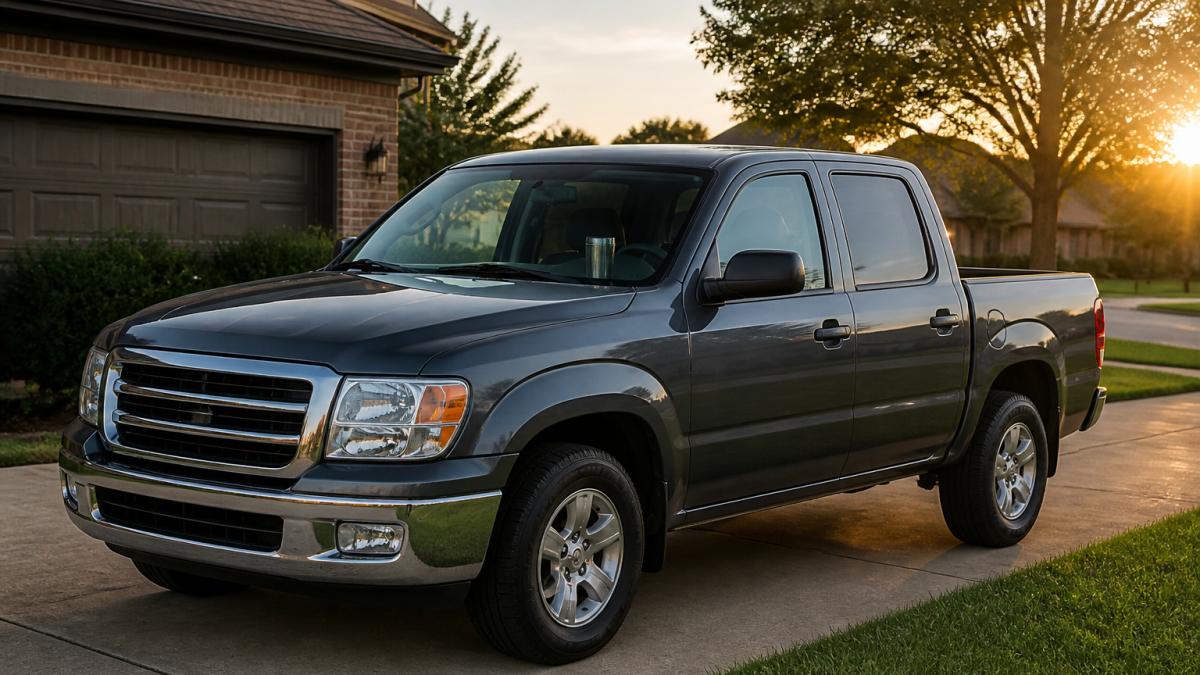
The best used truck for daily driving is a mid-size or half-ton pickup with a documented service history, reasonable mileage, and a comfortable cabin, because commuting rewards efficiency and comfort over maximum towing capacity.
Shoppers researching the market often start with Cars.com truck research to compare specifications, features, and pricing across models, and with Edmunds truck reviews, which scores trucks on comfort, interior, technology, and value, all of which matter for daily driving.
Top-Rated Used Trucks to Consider
- Ford F-150: The most common recommendation for a reason. Wide trim range, strong parts availability, and a comfortable ride for a pickup.
- Ram 1500: Praised for interior comfort and ride quality, which matter on a long commute.
- Chevrolet Silverado 1500: A solid all-rounder with a broad used market and easy service access.
According to Autoland USA's guide to top-rated used trucks, the Ford F-150, Ram 1500, Chevrolet Silverado 1500, and GMC Sierra are among the most frequently cited used picks. Gauge Magazine's 2026 reliability roundup notes that newer used pickups are more efficient than older models, which is worth remembering if fuel costs drive your decision.
When you shop, ask for the full history report before you visit. A dealership that shows you the report upfront saves you a wasted trip.
Used Truck Inspection Checklist
A used truck inspection is a systematic check of the vehicle's mechanical condition, history, and wear before purchase, the step that separates a good buy from an expensive mistake. Use this checklist on every truck you consider.
- Pull the vehicle history report and confirm a clean title with no major accident or flood damage
- Check the odometer against the history report for signs of rollback
- Inspect the frame and undercarriage for rust, especially around the wheel wells and rocker panels
Truck vs. Sedan for Commuting
A sedan beats a truck for pure commuting on cost, fuel economy, and ease of parking, while a truck wins on versatility, towing, and work use.
The honest middle ground is a crossover or SUV, which offers more space than a sedan without a pickup's fuel penalty. For commuters who occasionally haul but mostly drive to work, that class often fits better than either extreme.
| Vehicle Type | Fuel Cost | Comfort | Versatility | Best For |
|---|---|---|---|---|
| Full-size truck | Highest | Good | Highest | Work plus commute |
| Mid-size truck | Moderate | Good | High | Occasional hauling |
| SUV or crossover | Moderate | High | Moderate | Families, light hauling |
| Sedan | Lowest | High | Low | Pure commuting |
Conclusion: Which Truck Fits Your Commute?
The right answer depends on your mileage, budget, and how you actually use the vehicle.
That is exactly how we operate at Carvibe Houston. We offer a diverse selection of pre-owned trucks, SUVs, and sedans, flexible financing options regardless of credit history, and competitive trade-in values, so you can put your current vehicle toward the truck you actually need.
Search our inventory at Carvibe Houston and find a used truck that fits your commute and your budget.
Frequently Asked Questions
What are the downsides of using a truck as a daily driver?
Pickup trucks typically burn more fuel than sedans or SUVs, and their larger size makes parking and maneuvering in tight spaces harder. Ride quality can feel stiffer than a car, especially on older models. Insurance and tire costs also run higher because of vehicle weight and size. For daily commuting, these trade-offs matter most if you drive long distances or spend a lot of time in stop-and-go traffic.
Is it better to buy a used truck or a new truck for daily commuting?
A used truck often makes more financial sense for commuting because the first owner absorbs the steepest depreciation. You can find a low-mileage, well-maintained pickup with remaining useful life at a lower purchase price. A new truck gives you full warranty coverage and the latest driver-assistance features. The right choice depends on your budget, annual mileage, and how long you plan to keep the vehicle.
What should I check before buying a used truck for commuting?
Start with a vehicle history report to confirm a clean title and no major accidents. Inspect mileage against the model year to estimate remaining useful life. Check tire wear, brake condition, and fluid levels. Test the transmission and listen for engine noise during a cold start. A pre-purchase inspection by an independent mechanic is worth the cost, especially for diesel pickups or high-mileage gas-powered trucks.
How much can you save by buying a used truck instead of a new one?
Savings vary by model, age, and mileage, but used trucks generally cost less upfront because depreciation hits hardest in the first few years. You also pay less in sales tax and often lower insurance premiums. Financing interest rates may be higher on used vehicles, so compare loan offers. A used truck with 30,000 to 50,000 miles often delivers the best balance of price and remaining useful life for commuters.
Is a used truck reliable enough for a daily commute?
Yes, if you choose carefully. Newer used pickups can be more fuel-efficient and reliable than older models. Look for a truck with a documented maintenance history, moderate mileage, and a clean inspection. Brands like Ford, Ram, Chevrolet, and GMC have strong track records for used trucks. A thorough inspection checklist and a test drive on your actual commute route will confirm whether the truck suits your daily needs.