 ultimate-guide
Used Car Maintenance Schedule Guide: 2026 Plan
Table of Contents
- Why a Maintenance Schedule Matters for Used Cars
- The Core Used Car Maintenance Schedule Guide
- Your 30-60-90 Mile Maintenance Schedule Explained
- Used Car Inspection Checklist for New Owners
- High Mileage Car Maintenance Tips for 150k+ Vehicles
- DIY vs. Professional Service: Cost Analysis
- How to Find an Affordable Auto Repair Shop
- Frequently Asked Questions
Last Updated: September 10, 2026
Why a Maintenance Schedule Matters for Used Cars
A used car maintenance schedule guide matters because the previous owner's habits are invisible, and neglect shows up months after you buy. Neglect shows up months after you buy. A schedule is your only defense.
New cars come with predictable service intervals printed in the owner's manual. Used cars don't. You're working from partial service history, unknown driving habits, and whatever the seller chose to disclose. That gap is where expensive repairs hide.
Below, we'll show you exactly how to build a mileage-based plan that fits your car, your budget, and how you actually drive.
The Core Used Car Maintenance Schedule Guide
This used car maintenance schedule guide breaks into mileage bands, but the manufacturer's recommendations are only a starting point. Because you don't know how the previous owner drove the car, you should build your plan around two variables: current odometer reading and driving conditions. Most owner's manuals publish two schedules, "normal" and "severe", and used cars almost always fall into the severe category until you can prove otherwise.
Severe service typically applies if the vehicle sees any of the following: frequent short trips under 5 miles, extensive idling in stop-and-go traffic, towing or hauling, driving in dusty or salty conditions, or extreme cold or heat. Under those conditions, oil change intervals shrink, transmission fluid service moves earlier, and brake and suspension inspections become more frequent.
| Mileage Band | Priority Services | Typical Frequency |
|---|---|---|
| 3,000-7,500 miles | Oil and filter change, tire rotation, multi-point inspection | Every 6 months or per oil life monitor |
| 15,000-30,000 miles | Engine air filter, cabin air filter, brake inspection, coolant check | Annually or per mileage |
| 30,000-60,000 miles | Transmission fluid, spark plugs (on some engines), brake fluid, serpentine belt inspection | Every 30k-60k |
| 60,000-100,000 miles | Timing belt (if equipped), spark plugs, coolant flush, suspension inspection | Every 60k-100k |
| 100,000+ miles | All of the above plus hoses, water pump, and proactive component replacement | Per condition, not just mileage |
Every 3,000-7,500 Miles
Full synthetic oil typically supports 7,500-10,000 mile intervals on newer engines, but a used car with unknown history is safer on a 5,000-mile cycle until you've done an oil analysis or two. Check tire pressure monthly, a drop of just 5 PSI can cost you fuel economy and uneven tread wear. Rotate tires at every oil change, and inspect brake pad thickness, fluid levels, and the serpentine belt while the car is on the lift.
Every 15,000-30,000 Miles
Replace the engine air filter and cabin air filter. Have a technician measure brake pad thickness (replace pads under 3mm), check rotor thickness against the minimum stamped on the rotor hat, and inspect the serpentine belt for glazing or cracks. A coolant flush and transmission fluid service usually fall in this window depending on your owner's manual, some manufacturers specify 100,000-mile transmission fluid intervals, but many independent shops recommend 30,000-60,000 miles on used vehicles with unknown service history.
Every 60,000-100,000 Miles
Timing belt replacement is the highest-stakes item in this band. If your engine uses a belt instead of a chain, skipping this service risks valve-to-piston contact and a repair bill that often exceeds the car's value. Spark plugs, fuel system cleaning, and chassis lubrication also belong here. On vehicles with a timing chain, listen for a rattle on cold start, that's a common early warning of a stretched chain or worn tensioner.
Adjusting the Schedule for How You Actually Drive
This is the part most guides skip. A used sedan that spent its life on highway commutes can safely follow the normal schedule. The same model used for delivery work, short school runs, or rideshare driving should follow the severe schedule, often cutting oil intervals by 30-50% and moving transmission and coolant service earlier. When in doubt, split the difference and inspect more often than you service. Inspections are cheap; failed components are not. daily driver maintenance guide.
Your 30-60-90 Mile Maintenance Schedule Explained
The 30-60-90 mile maintenance schedule is a short-term onboarding plan for any used car you just bought. It covers the first three months of ownership, not the first 90,000 miles.
- First 30 miles: Verify tire pressure, check for warning lights, confirm fluid levels
- First 60 miles: Listen for unusual noises at low speed, test brakes gently, check for leaks under the car
- First 90 miles: Book a full inspection with a trusted shop to establish a baseline
This three-step approach catches problems the seller may not have known about. It also gives you a documented starting point for future service.
Used Car Inspection Checklist for New Owners
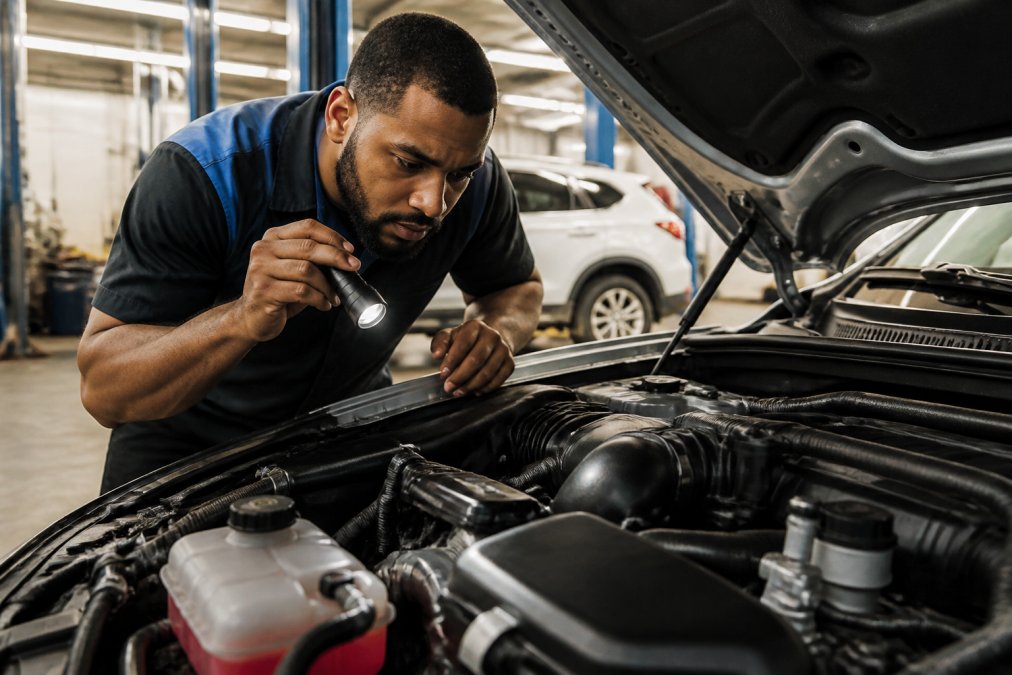
A used car inspection checklist saves money because it forces you to look before you commit. Run through this before signing anything, or within the first week of ownership.
- Pull the dipstick: oil should be amber, not black or milky
- Check coolant, brake, transmission, and power steering fluid levels
- Measure tire tread depth with a penny or gauge
- Inspect brake pads and rotors through the wheel spokes
- Test battery voltage and clean corroded terminals
- Look for cracked hoses and worn serpentine belt
- Scan for diagnostic trouble codes with an OBD-II reader
- Check wiper blades, headlights, and cabin filter condition
A common mistake is skipping the OBD-II scan. Even without a check engine light, stored codes reveal past issues.
High Mileage Car Maintenance Tips for 150k+ Vehicles
Most maintenance guides stop at 100,000 miles, which leaves the fastest-growing segment of the used market, vehicles past 150,000 miles, without real guidance. Past that threshold, the strategy shifts from "replace on schedule" to "monitor, prioritize, and replace proactively." Components fail on their own timeline, not the manual's, and the goal becomes maximizing remaining useful life per dollar spent.
What Changes After 150,000 Miles
- Cooling system: Radiators, water pumps, thermostats, and hoses degrade with heat cycles and age, not just mileage. A water pump that survived 150,000 miles is on borrowed time. Replacing it proactively during a timing belt job (on belt-driven engines) is almost always cheaper than a separate repair later.
- Suspension: Shocks and struts are typically worn by 100,000 miles and often ignored. Worn struts increase stopping distance, cause uneven tire wear, and stress other suspension components. Bushings, ball joints, and tie rod ends should be inspected at every oil change.
- Transmission: Fluid changes become more critical, not less. On a high-mileage transmission that has never had a fluid service, a full flush can dislodge debris and cause failure, many shops recommend a drain-and-fill instead, which replaces roughly a third of the fluid at a time.
- Engine seals and gaskets: Valve cover gaskets, rear main seals, and oil pan gaskets are common leak points. Small seeps are often manageable with monitoring; active drips that reach the exhaust or driveway need attention.
- Ignition and sensors: Oxygen sensors, mass airflow sensors, and ignition coils commonly fail in this range and can trigger check engine lights, rough idle, or poor fuel economy.
- Belts and hoses: Any original belt or hose past 150,000 miles should be treated as a wear item, not a wait-and-see item.
Prioritizing When Everything Needs Attention
On a high-mileage car, you'll rarely be able to fix everything at once. A practical priority order:
- Safety-critical first: Brakes, tires, steering, and suspension components that affect control.
- Failure-critical second: Timing belt, cooling system, and anything whose failure strands the car or destroys the engine.
- Comfort and efficiency third: A/C, cabin filter, minor leaks, cosmetic items.
The Repair-vs-Replace Math
A common pattern among owners of 150k+ vehicles is spending more on repairs in a year than the car is worth. That's not automatically a bad decision, a $1,500 repair on a car worth $3,000 can still be cheaper than a year of car payments. The question to ask is whether the repair addresses a one-time failure or signals a pattern. One water pump is a repair; a water pump plus a head gasket plus a transmission slip in the same year is usually a signal.
Driving Habits Matter More at This Stage
Short trips and stop-and-go commuting wear components faster than highway cruising because the engine never reaches full operating temperature, moisture accumulates in the oil, and the transmission shifts constantly. If most of your driving is city traffic, shorten oil change intervals to 3,000-5,000 miles, inspect brakes every 6,000 miles, and treat the severe-service schedule as your default. If you mostly drive highway miles, you can stretch intervals closer to the normal schedule, but keep inspecting, because age-related failures don't care about mileage.
DIY vs. Professional Service: Cost Analysis
DIY saves money on parts but costs time, tools, and risk. Professional service costs more upfront but comes with warranty coverage and diagnostic equipment most owners don't own.
| Task | DIY Feasibility | Why It Matters |
|---|---|---|
| Oil change | High | Simple, low risk, saves labor |
| Tire rotation | High | Needs jack and stands only |
| Air filter swap | High | Five-minute job on most cars |
| Brake pad replacement | Medium | Requires torque specs and safety checks |
| Timing belt | Low | Engine timing errors are catastrophic |
| Transmission fluid | Low | Wrong fluid ruins the transmission |
A general rule: if a mistake could destroy the engine or transmission, pay a professional. Everything else is fair game if you have the tools and patience.
How to Find an Affordable Auto Repair Shop
Finding an affordable auto repair shop comes down to three filters: transparency, credentials, and reviews that mention specific repairs, not just "friendly service."
Start with shops that provide written estimates before work begins. Ask whether they use OEM or aftermarket parts and whether they'll show you the failed component. Shops that explain the "why" behind a repair tend to be honest.
Check for ASE certification and look for reviews that mention repeat visits. A shop you return to is a shop you trust. Our on-site service team can handle routine maintenance and diagnostics under one roof.
For guidance on service standards and consumer protections, the FTC's consumer advice on auto repairs outlines your rights when dealing with repair shops. The NHTSA's vehicle safety and recall database lets you check whether your used car has open recalls before you spend money on repairs. And the EPA's fuel economy and emissions information helps you understand emissions testing requirements in your area.
Frequently Asked Questions
What is the 30-60-90 rule for car maintenance?
The 30-60-90 rule breaks maintenance into mileage milestones. At 30,000 miles, replace air filters and check brake pads. At 60,000 miles, flush coolant and transmission fluid. At 90,000 miles, replace the timing belt and spark plugs. This structured approach helps you budget for major services and prevents small issues from becoming expensive repairs. Always check your owner's manual for manufacturer-specific intervals.
What is the $3,000 rule for used cars?
The $3,000 rule suggests that if a used car needs more than $3,000 in immediate repairs, it may not be worth fixing, especially if the vehicle's value is close to that amount. This threshold helps buyers decide whether to repair or replace. However, the rule isn't absolute: a car with otherwise solid maintenance history might justify the investment. Get a written estimate from a trusted mechanic before deciding.
What car maintenance needs to be done at 50,000 miles?
At 50,000 miles, focus on fluid changes: oil, coolant, brake fluid, and transmission fluid. Inspect brake pads and rotors, replace the air filter and cabin filter, and check spark plugs. Also examine the serpentine belt, hoses, and battery terminals. Tire rotation and alignment should be routine by now. This mileage marks a transition from basic upkeep to more involved preventive maintenance that protects vehicle reliability.
How often should I change my oil in a high-mileage used car?
For high-mileage used cars over 100,000 miles, change synthetic oil every 5,000 to 7,500 miles. Older engines may consume oil faster, so check levels monthly. If you drive mostly short trips in stop-and-go traffic, shorten the interval to 5,000 miles. Always follow the manufacturer recommendations in your owner's manual, but adjust for driving habits and oil type. Synthetic oil offers better protection for worn engines.
How do I create a maintenance schedule for a used car with no service history?
Start by assuming no maintenance has been done recently. Begin with a full inspection: fluids, belts, hoses, brakes, tires, and battery. Replace oil, filters, and spark plugs as a baseline. Then build a mileage-based schedule from your current odometer reading. Use a digital tracking tool or a simple spreadsheet to log every service. A used car inspection checklist helps you cover all systems systematically.
What is the most neglected car maintenance?
Cabin air filter replacement and brake fluid flushes are among the most neglected services. Many owners forget the cabin filter affects interior air quality and HVAC performance. Brake fluid absorbs moisture over time, leading to reduced braking efficiency and corrosion. Transmission fluid is another commonly skipped item. Following a used car maintenance schedule guide ensures these overlooked services get attention before they cause costly repairs.
A used car with no service history is a gamble, but a documented maintenance plan turns it into a reliable daily driver. Carvibe Houston offers on-site auto service, genuine parts, and a team that explains every recommendation before you approve it. Browse our inventory, ask for the full history report, and let our technicians build a maintenance schedule around your car. Get started with Carvibe Houston and drive with confidence.