 listicle
Common Car Repairs to Avoid: A 2026 Guide
Table of Contents
- Common Car Repairs to Avoid Through Prevention
- Preventative Car Maintenance Checklist by System
- Car Maintenance Schedule by Mileage: What Actually Matters
- How to Find a Reliable Auto Repair Shop
- Repair vs. Replace: When to Fix and When to Walk Away
- The Hidden Cost of Cheap Parts and DIY Mistakes
- Dashboard Warning Lights: What Requires Immediate Action
- Conclusion
- Frequently Asked Questions
Last Updated: September 14, 2026
Common Car Repairs to Avoid Through Prevention
Most car owners don't realize that common car repairs become necessary not because parts fail randomly, but because preventative maintenance gets skipped. The difference between a vehicle that costs thousands in repairs and one that runs smoothly for years often comes down to one thing: catching small problems before they become catastrophic ones.
At Carvibe Houston, our expert technicians work with customers daily to help them understand which repairs are truly unavoidable and which ones result from neglected maintenance. The reality is straightforward: many of the most expensive repairs on the road could have been prevented with basic, routine care.
This guide walks you through the most common repairs people face, how to prevent them, and how to recognize when a repair is genuinely necessary versus when you're being upsold. Understanding this difference saves money and keeps your vehicle reliable.
Preventative Car Maintenance Checklist by System
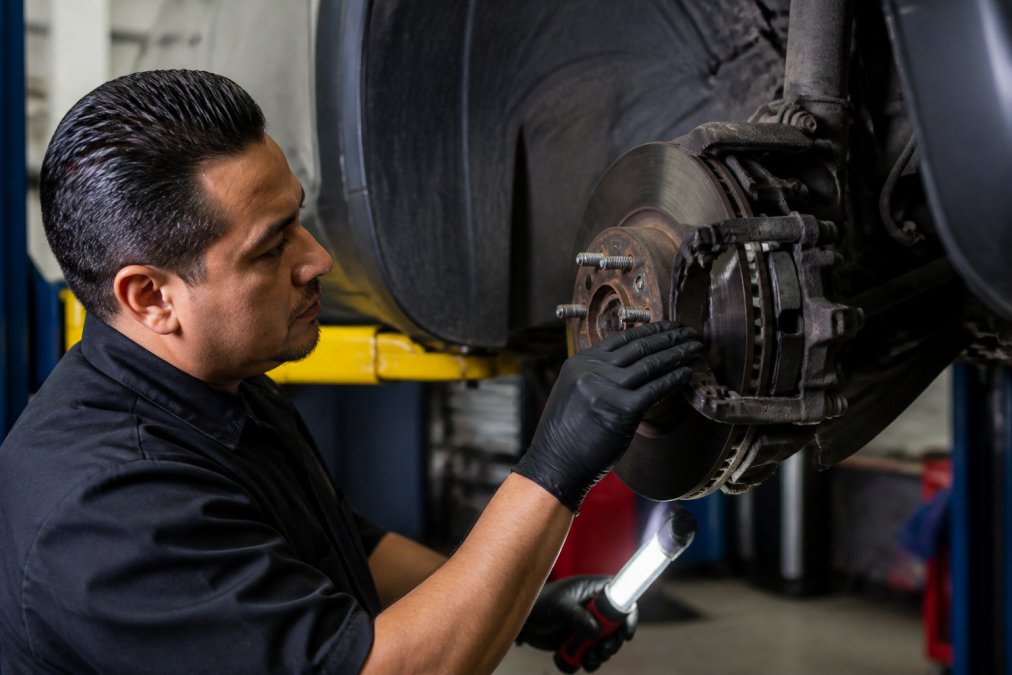
Preventative car maintenance is the practice of performing scheduled service on your vehicle before problems develop. Rather than waiting for a warning light or strange noise, you're staying ahead of wear and tear across multiple systems.
Your vehicle has several critical systems that require attention on different schedules. Brake systems need periodic pad replacement and fluid checks. Engine oil requires regular changes to prevent sludge buildup and internal wear. Cooling systems depend on fresh coolant to prevent overheating and corrosion. Transmission fluid keeps gears shifting smoothly. Tire rotation ensures even wear and extends their lifespan. Battery terminals need cleaning to prevent corrosion that kills electrical function.
Here's what a solid preventative maintenance approach covers:
- Oil and filter changes every 5,000-7,500 miles
- Tire rotation every 6,000-8,000 miles
- Brake pad inspection at every oil change
- Coolant flush every 30,000-50,000 miles
- Transmission fluid check and service as recommended by your vehicle's manual
- Battery terminal cleaning and testing annually
- Air filter replacement every 12,000-15,000 miles
The cost of these routine services is minimal compared to the repair bills that follow neglect. An oil change prevents engine damage that costs thousands. A coolant flush prevents a blown head gasket that costs significantly more.
Car Maintenance Schedule by Mileage: What Actually Matters
Your vehicle's maintenance schedule isn't arbitrary. It's based on engineering data about when specific components wear out and when fluid degradation becomes a problem.
At 30,000 miles, transmission fluid starts breaking down in many vehicles. Coolant begins losing its protective properties. This is when these fluids should be checked and possibly replaced, depending on your vehicle's manual recommendations.
At 60,000 miles, brake fluid has absorbed moisture and should be flushed. Suspension components show wear that needs inspection. Spark plugs in older vehicles may need replacement. This is also a critical checkpoint for transmission health.
At 100,000 miles, major components have significant wear. Timing belts in some vehicles need replacement before they break. Suspension bushings deteriorate. Brake system components may need more than just pad replacement. Transmission performance should be evaluated closely.
The mistake most owners make is treating the maintenance schedule as optional. They skip the 60,000-mile service thinking they'll save money, then face a costly transmission repair at 80,000 miles that a fluid service would have prevented.
How to Find a Reliable Auto Repair Shop
Finding a trustworthy auto repair shop prevents a different kind of costly mistake: unnecessary repairs recommended by shops prioritizing profit over your vehicle's actual needs.
A reliable auto repair shop has several defining characteristics. Technicians are ASE-certified or have verifiable training credentials. The shop provides written estimates before starting work. They explain what they find in plain language, not technical jargon designed to confuse. They use OEM parts or equivalent quality components, not cheap aftermarket substitutes that fail quickly.
When you bring your vehicle in, a reputable shop performs a thorough diagnostic before recommending repairs. They show you the problem, not just tell you about it. They distinguish between what needs immediate attention and what can wait. They don't recommend a transmission flush when your transmission is shifting fine, and they don't suggest brake fluid service when your brakes are performing normally.
Carvibe Houston's service team operates on this principle. Our technicians perform comprehensive inspections and communicate findings clearly. We use genuine parts and stand behind our work. We prioritize your vehicle's long-term health over short-term revenue.
Repair vs. Replace: When to Fix and When to Walk Away
Some repairs don't make financial sense, and understanding when to replace rather than repair requires more than a single metric.
The most commonly cited benchmark is the "50% rule": if repair costs exceed 50% of the vehicle's current market value, replacement becomes the smarter choice. A vehicle with a significant repair cost might be worth fixing, but if the repair cost approaches or exceeds the vehicle's value, buying a different used car makes more sense. However, this rule is a starting point, not a final answer.
Age and remaining useful life matter significantly. A 15-year-old vehicle with high mileage facing a significant repair has limited years ahead, even if the repair succeeds. A 5-year-old vehicle with lower mileage facing the same repair has potentially many years of service remaining, making the repair far more justified. Consider the vehicle's expected lifespan: most vehicles are economically viable until 150,000-200,000 miles. Beyond that, major repairs become increasingly risky because other systems are also aging. Transitioning to more robust maintenance strategies often requires evaluating heavy duty repair options to determine if your aging vehicle can sustain the demands of continued operation.
Repair history and reliability patterns inform the decision. A vehicle with a clean maintenance record and only one major failure is different from one with recurring problems. If you've already replaced the transmission once, the water pump twice, and the alternator once, a new major repair suggests systemic wear. Conversely, a single catastrophic failure on an otherwise reliable vehicle is often worth fixing. Research your vehicle's known failure points: some models are prone to specific issues. If your vehicle is showing a known weakness, factor in the likelihood of additional failures soon after repair.
Calculate the true cost of keeping versus replacing. Beyond the repair cost, consider registration, insurance, and the likelihood of additional repairs within the next 12-24 months. A significant repair on a vehicle you'll keep for three more years might cost more total when you factor in higher insurance premiums for an older vehicle and the probability of a second major repair. Compare this to the down payment and monthly payments on a replacement vehicle. Sometimes the math favors replacement even when the repair cost alone seems reasonable.
Fuel economy and emissions standards shift the equation for older vehicles. A vehicle from 2008 or earlier may consume significantly more fuel than a modern replacement. If you drive a significant number of miles annually, the fuel cost difference alone between an older, less fuel-efficient vehicle and a newer, more efficient one can be substantial per year. Over several years, that can amount to significant fuel savings, which can offset repair costs and make replacement more attractive.
Emotional attachment and reliability preference matter. If you trust your vehicle and prefer the known quantity of a familiar car, repairing a vehicle you understand may be worth a premium over the uncertainty of a replacement. Conversely, if you're anxious about reliability, a newer vehicle with a warranty provides peace of mind that justifies replacement even when repair math is marginal.
The decision ultimately depends on your vehicle's age, mileage, repair history, how long you plan to keep it, and your tolerance for repair risk. Use the 50% rule as a screening tool, but evaluate the full picture before deciding.
The Hidden Cost of Cheap Parts and DIY Mistakes
Cheap aftermarket parts and DIY repair attempts create a false economy that costs significantly more over time than quality repairs done correctly.
Aftermarket parts fail faster and create repeat expenses. A discount brake pad costs less than OEM pads but typically wears out sooner, depending on driving habits and pad material. You're buying brake pads twice instead of once, spending more money total and creating inconvenience. Cheap alternators often fail prematurely, while quality units last longer. Budget batteries lose charge capacity within two years in real-world conditions. The labor cost to replace these parts is identical whether you're replacing a quality component or a cheap one, you're paying a significant amount in labor either way.
Dashboard Warning Lights: What Requires Immediate Action
Conclusion
Frequently Asked Questions
What are the most common car repairs that can be prevented?
The most preventable repairs involve brake system maintenance, battery failure, and engine overheating. Regular oil changes prevent engine sludge buildup. Tire rotation extends tread life. Coolant flushes prevent blown head gaskets. Battery terminal corrosion can be cleaned before replacement becomes necessary. Following a preventative car maintenance checklist catches wear before catastrophic failure occurs, saving hundreds or thousands in repair costs.
How often should I follow a car maintenance schedule by mileage?
Most vehicles require scheduled maintenance at 30,000, 60,000, and 90,000 miles, with oil changes every 5,000-10,000 miles depending on your vehicle. Brake pads typically need replacement between 25,000-70,000 miles. Transmission fluid should be checked regularly and flushed per your service manual. Tire rotation every 5,000-7,000 miles prevents uneven wear. Consult your owner's manual for exact intervals, as modern vehicles vary. Staying on schedule prevents fluid leaks and mechanical failure that compound repair costs.
How can I tell if a repair shop is recommending unnecessary work?
A reliable auto repair shop will explain what they found using diagnostic trouble codes and show you the worn component. They'll provide a written estimate before starting work. Get a second opinion if the repair cost exceeds your vehicle's value or if the shop recommends multiple high-cost services at once. Ask for OEM component specifications rather than aftermarket parts unless you request them. Shops that pressure you or refuse to explain findings in detail may be overselling repairs. Professional inspection from a trusted technician protects you from misdiagnosis.
When is it time to stop repairing a car and buy a replacement?
If annual repair costs exceed 50% of the vehicle's current market value, replacement is usually more economical. Major repairs like transmission failure, engine overheating due to a blown head gasket, or extensive suspension component damage often signal it's time to move on. Check the vehicle's reliability history and remaining loan balance. If you're spending a significant amount annually on repeated issues, a newer used vehicle with lower mileage may offer better long-term value. Carvibe Houston can help you evaluate trade-in value and find a more reliable replacement.