 blog
7 Ways to Increase Your Car's Trade-In Value
Last Updated: November 3, 2026
Quick Summary
The trade in value of your car depends mostly on its condition, service history and paperwork, so cleaning it, gathering maintenance records and fixing cheap cosmetic flaws can raise the offer. Major body work usually does not pay for itself, and timing and negotiation also matter.
- Dealers subtract reconditioning costs from their trade-in offer
- Gather oil change slips, tire rotations and brake work receipts in one folder
- Fix burned-out bulbs, cracked lenses and small windshield chips before appraisal
- Use a penny to check tread depth; a visible top of Lincoln's head means tread is likely too low
- Negotiate the new-car price first, in writing, before mentioning your trade
Table of Contents
- Why Your Trade-In Offer Is Lower Than You Expect
- Does Cleaning Your Car Increase Trade-In Value?
- Gathering Maintenance and Service Records
- Repairing Minor Cosmetic Issues Before You Trade In
- Checking Tire Condition, Tread Depth and Fluid Levels
- How to Prepare Your Car for Trade-In Appraisal
- What Documents Do You Need to Trade In Your Car?
- Timing Your Trade-In and Negotiating With Confidence
- Frequently Asked Questions
Why Your Trade-In Offer Is Lower Than You Expect
Most car owners are surprised by their first trade-in offer. The number often lands well below the sticker price they had in mind, because the trade in value depends on factors the owner doesn't see. That gap is not always a lowball tactic.
Here's the thing most people miss: the offer is built on the car's condition, history and paperwork, not on how much you love the vehicle. The good news is that many of the factors dealers weigh are within your control. This guide walks through seven practical ways to increase your car's trade-in value before you walk into a dealership.
- Dealers subtract reconditioning costs from their offer
- Visible wear and missing records both lower the number
- Clean, documented cars are easier and faster to resell
Does Cleaning Your Car Increase Trade-In Value?
A clean car signals that the previous owner cared for it, and that impression raises the trade in value. For a step-by-step cleaning guide, see the dedicated how-to article. Appraisers notice it within the first minute of an inspection.
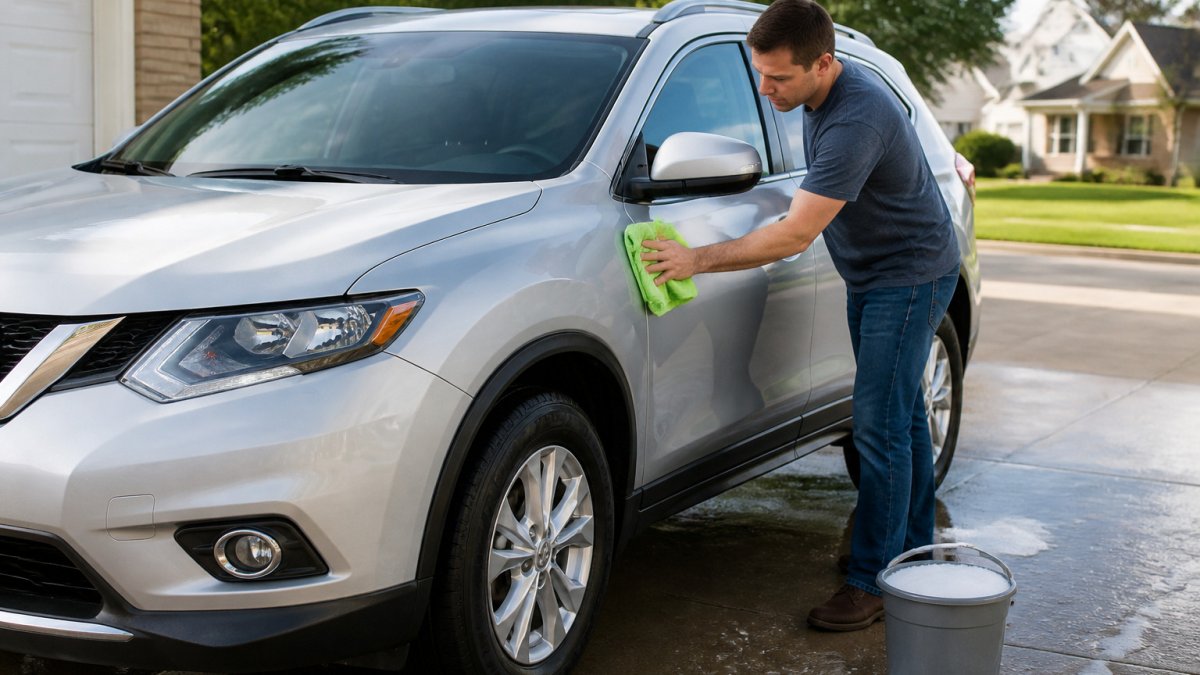
Cleaning will not add thousands of dollars, but it can remove some of the small deductions that add up. A dirty interior suggests hidden problems, so an appraiser may assume the mechanical side has been neglected too. Cleaning is one of the cheapest ways to change that first impression.
Deep Cleaning and Detailing Checklist
Work through this list before your appointment:
- Wash and wax the exterior, including wheel wells and door jambs
- Clean the windows inside and out, removing bug splatter and haze
- Vacuum seats, carpets, trunk and under the floor mats
- Wipe down the dashboard, console and door panels
- Clean the upholstery and treat any stains you can lift
- Dress the tires and clean the wheels
Removing Personal Belongings and Odors
Empty the car completely. Check the glove box, door pockets, seat backs and trunk for personal items, loose change and old receipts.
Odors hurt trade-in offers more than most owners expect. Smoke, pet smells and food odors are hard for a buyer to remove. Use an odor eliminator if needed, and open the windows during drying to keep moisture from building up.
Gathering Maintenance and Service Records
Service history is one of the strongest signals of how a car was treated. A folder of receipts can tell an appraiser that oil changes were on schedule and major repairs were done properly.
Gather whatever you have, including oil change slips, tire rotations, brake work and timing belt replacements. If you've lost some records, ask your former repair shop for printouts.
Organized records also reduce doubt. A buyer is far less likely to discount a car when the paperwork shows consistent care.
Repairing Minor Cosmetic Issues Before You Trade In
Cosmetic condition drives deductions, but not every fix pays for itself. The goal is to remove the cheap, visible flaws an appraiser will price into the offer, and to avoid spending money on repairs the dealer will discount anyway.
Fixes That Usually Return Their Cost
These are low-cost, high-visibility items that appraisers notice in the first walk-around:
-
Replace burned-out bulbs and cracked lenses; a cracked taillight reads as neglect
-
Repair small windshield chips before they spread into a crack that requires full replacement
-
Clean or replace cabin and engine air filters if they are visibly dirty
Fixes That Rarely Pay Off
Major body work, full paint resprays, and collision repair almost never return their cost in trade-in value. Get a quote before committing, and compare it against the deduction the appraiser actually cites. In most cases, disclosing the damage and accepting the deduction nets out better than paying retail for the repair.
Watch out: a fresh respray on one panel can raise suspicion of hidden collision damage. If you do repair, keep the receipts and photos so you can show the work was cosmetic.
Aftermarket Modifications: What to Remove and What to Keep
This is the question most trade-in guides skip, and it can swing an offer by more than any cleaning job. Keeping factory parts and avoiding changes that limit a car’s appeal can help protect car resale value well before it is time to trade it in.
Mods that commonly subtract value:
- Aftermarket suspension lifts or lowering kits, they signal hard use and complicate the dealer's resale
- Loud exhaust systems and engine tunes, many dealers will return the car to stock before resale, and they price that labor into the offer
- Heavy window tint beyond legal limits, dealers in many states must remove it before resale
- Custom wheels that don't match the original equipment, mismatched or oversized wheels can trigger deductions and complicate tire replacement
- Aftermarket audio with modified wiring, wiring changes are a red flag for electrical problems
Mods that generally hold value or are neutral:
- Factory-option upgrades (trim packages, original-equipment wheels)
- Protective films and ceramic coatings in good condition
- Tasteful, easily reversible accessories that don't alter wiring or suspension
If you still have the original parts, stock wheels, factory exhaust, original head unit, reinstalling them before trade-in is often worth the labor. A car returned closer to stock appraises higher and is easier for the dealer to resell.
Not every cosmetic fix pays for itself, so the article separates the repairs that usually return their cost from those that rarely do.
| Repair | Typical outcome | Note |
|---|---|---|
| Burned-out bulbs and cracked lenses | Usually worth fixing | A cracked taillight reads as neglect |
| Small windshield chips | Usually worth fixing | Repair before the chip spreads into a crack |
| Dirty air filters | Usually worth fixing | Replace if visibly dirty |
| Major body work | Rarely pays off | Get a quote and compare with the deduction |
| Full paint respray | Rarely pays off | Can raise suspicion of hidden collision damage |
| Collision repair | Rarely pays off | Disclosing damage often nets out better |
Checking Tire Condition, Tread Depth and Fluid Levels
Tires are one of the first things an appraiser checks. Worn or mismatched tires often lead to an immediate deduction because replacing a full set costs real money.
Use a penny to check tread depth. Place the penny upside down in a tread groove. If you can see the top of Lincoln's head, the tread is likely too low, and new tires may be worth considering. Make sure all four tires are the same brand and in good shape.
Check fluid levels too. Top off the oil, coolant, washer fluid and brake fluid, and fix any visible leaks. Fresh fluids show that the car has been maintained, and they make the inspection go more smoothly.
How to Prepare Your Car for Trade-In Appraisal
Preparation works best as a short routine the week before your appointment. Treat it as a checklist, not a project.
- Clean the car inside and out, as covered above
- Gather service records and keep them in one folder
- Fix small cosmetic issues and replace worn bulbs
- Check tire tread and fluid levels
- Remove all personal items and spare keys you don't need
- Note any warning lights or known problems so you can explain them honestly
Being upfront about known issues builds trust. An appraiser who finds a problem you didn't disclose will usually discount more heavily than the repair would have cost.
What Documents Do You Need to Trade In Your Car?
Bring the paperwork before you go. Missing documents can slow the appraisal or delay the sale.
Here's what most dealers ask for:
- The vehicle title, or the loan payoff information if you still owe money
- Your driver's license
- All spare keys and key fobs
- The current registration
- Service and maintenance records
- Any warranty documents still in effect
If you have a loan, contact your lender for an exact payoff amount. A payoff quote usually includes a good-through date, so ask how long it stays valid.
Timing Your Trade-In and Negotiating With Confidence
Timing and negotiation are where trade-in value is won or lost. Most guides stop at "get multiple offers." The mechanics matter more than the platitude.
When the Calendar Works in Your Favor
The flip side: inventory needs vary by model. A dealer short on SUVs will pay up for a clean SUV trade even mid-month, while a dealer with six identical sedans on the lot will lowball yours regardless of the date.
The Sales-Tax Credit Most Owners Ignore
In many states, the trade-in value may be subtracted from the purchase price of the new car before sales tax is calculated, which can reduce the tax owed. Confirm how your state applies this rule before comparing offers.
Rules vary by state. Confirm your state's rule before you assume the private sale is the better deal.
Handling the Four-Square Presentation
Many dealerships still use a four-square worksheet: purchase price, down payment, monthly payment, and trade-in value. The structure is designed to let the dealer move numbers between boxes so a "generous" trade-in offer is offset by a higher purchase price or a longer loan term. The defense is simple: negotiate the new-car price first, in writing, before you mention the trade. Then negotiate the trade-in as a separate transaction. If the dealer insists on bundling, ask for each number on its own line and compare the out-the-door price against a competing quote.
Responding to a Low-Ball First Offer
The first offer is often not the final number, and room may exist to negotiate during the process. Do not counter with a number you invented. Counter with evidence: a written offer from a competing dealer, an online instant-cash quote from a major buying service, or private-party listings for the same year, trim, and mileage in your area. Ask the appraiser to walk through the deductions line by line.
Watch out: an online instant-cash offer is generally not a binding price. Such tools typically generate a range based on self-reported condition, and the in-person inspection can differ once the appraiser sees the car.
Know When to Walk
You are not obligated to accept any offer. If the trade-in number is below the private-party value minus the sales-tax credit you would lose, selling privately may net more, provided you are willing to handle listings, test drives, and title transfer. Get the final offer in writing, including the payoff amount if you have a loan, and confirm the good-through date on that payoff before you sign anything.
Frequently Asked Questions
What increases the trade-in value of a car the most?
Condition and documentation move trade-in offers more than almost anything else. A clean, well-maintained car with complete service records, no warning lights, and good tires typically appraises higher than the same model with neglected upkeep. Cosmetic fixes like paint touch-ups and removing dents can help, but only when the repair costs less than the value it adds. Bring your service receipts, keys, and title to the appraisal so the appraiser can verify the car's history rather than assume the worst. Pricing varies by model, mileage, and market, so ask Carvibe Houston for a current quote.
Should I fix minor cosmetic issues before trading in my car?
Fix small issues that are cheap and easy, such as a windshield chip, a burned-out bulb, or a light scratch that a touch-up pen can hide. Skip major body or paint work, because dealers can usually repair damage more cheaply than you can, and a repair bill rarely returns its full cost in added trade-in value. Focus your effort on cleaning the interior and exterior, since a clean car makes a stronger first impression during appraisal. Carvibe Houston can explain which fixes are worth doing for your specific vehicle.
Is it better to trade in a car or sell it privately?
A private sale usually brings more money, but it takes more time and carries more risk. You handle listings, test drives, and paperwork yourself. A trade-in is faster and simpler, and in many cases it can affect the sales tax you pay on your next vehicle, depending on your state's rules. Compare a written trade-in offer with your expected private-sale price, minus the time and hassle, before deciding. Contact Carvibe Houston to get your trade-in value estimated.