 how-to
How to Verify Used Car History Reports: 2026 Guide
Table of Contents
- Why Verifying a Used Car History Reports Matters
- Step 1: Locate the VIN and Run a Free VIN Check
- Step 2: What to Look for in a Vehicle History Report
- Step 3: Understanding Title Brands and Gray-Area Codes
- Step 4: Cross-Check the Report Against the Physical Car
- Step 5: Spotting Scam Reports and Fake Clean Titles
- How to Verify Used Car History Reports Before You Sign
- Frequently Asked Questions
Last Updated: September 15, 2026
Why Verifying a Used Car History Reports Matters
A vehicle history report is only as reliable as the buyer who knows how to verify used car history reports against the physical car. The report tells you where to look, not what to conclude. The NHTSA's vehicle safety and recall resources exist precisely because paperwork alone never tells the full story.
What a Report Can and Cannot Tell You
A vehicle history report is a compiled record of a vehicle's documented past, drawing from title transfers, insurance claims, and state motor vehicle agency filings. It cannot see repairs paid for in cash, damage never reported to an insurer, or maintenance done in a driveway.
That distinction matters more than most buyers realize. A clean report is a starting point for inspection, not a clean bill of health.
Step 1: Locate the VIN and Run a Free VIN Check
A free VIN check is your first filter, not your final answer. The VIN is a 17-character code that ties every record to one specific vehicle, so getting it right is non-negotiable.
Where to Find the VIN on Any Vehicle
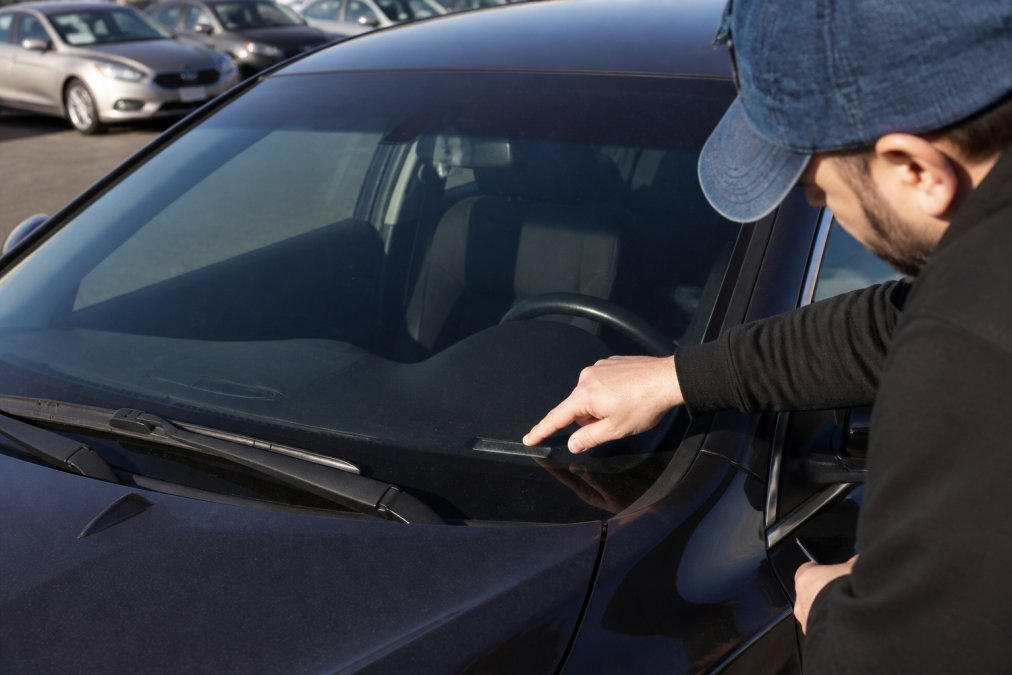
Check the driver's-side dashboard near the windshield, the driver's door jamb sticker, and the front of the engine block. If those don't match each other, stop and ask why before going further.
What Free Tools Actually Give You
Free VIN check tools typically return recall information and basic title branding. They rarely include full accident history, service records, or lien details. Use them to confirm the VIN is valid and the vehicle isn't flagged, then move to a paid report for depth.
Step 2: What to Look for in a Vehicle History Report
Knowing what to look for in a vehicle history report means reading it like an auditor, not a shopper. Scan for contradictions first, details second.
Reading Odometer and Accident Data
An odometer rollback shows up as a mileage drop between reported service visits or title transfers. Accident entries list severity, airbag deployment, and frame damage where insurers reported them. A gap of two or more years with no mileage entries deserves a direct question.
| Report Signal | What It Usually Means | Your Next Move |
|---|---|---|
| Mileage drop between records | Possible odometer rollback | Request service records, inspect wear |
| "Minor" accident entry | Cosmetic or structural, unclear | Physical inspection of frame and panels |
| Salvage or rebuilt title | Total loss, rebuilt for resale | Verify state inspection and insurance eligibility |
| Open lien | Lender still holds claim | Confirm payoff before signing anything |
Step 3: Understanding Title Brands and Gray-Area Codes
Understanding title brands is where most buyers get tripped up. A title brand is an official marker a state motor vehicle agency places on a title to flag major events: salvage, flood damage, lemon law buyback, theft recovery, or impound. The brand follows the vehicle, not the seller, but only if the next state's motor vehicle agency chooses to carry it forward, and that is where the trouble starts.
The Brand Vocabulary You Will Actually See
Reports and titles use shorthand that rarely matches plain English. A working glossary:
| Code or Term | What It Signals |
|---|---|
| Salvage | Insurer declared a total loss; not legal to drive until rebuilt and re-inspected |
| Rebuilt / Reconstructed | Repaired after salvage and passed a state safety inspection |
| Prior salvage | Branded in a previous state, now showing a different status |
| Flood / Water damage | Insurer or state flagged water intrusion |
| Lemon law buyback | Manufacturer repurchased the vehicle under state warranty law |
| Junk | Declared unfit for road use; cannot be retitled for street driving in most states |
| Odometer discrepancy / Not actual | Mileage cannot be verified as accurate |
| Bonded title | Title issued against a surety bond because ownership paperwork was incomplete |
Why a Branded Car Can Show Up Clean in Your State
Title branding is a state function, not a federal one. There is no single national title database that every state must write to. A vehicle totaled and branded in one state can be rebuilt, inspected, and issued a fresh title in another state that uses different terminology, or no brand at all, for the same event. This is sometimes called title washing, and it is legal in the sense that no single agency is breaking a rule; the gap is structural.
The practical defense is to read the title history, not just the current title status. A report that shows a chain of state transfers in a short window, especially through states with lax branding rules, is a red flag worth a direct question. Ask the seller for the prior title, and if they cannot produce it, treat the clean status as unverified.
How to Cross-Reference Across States
Start with the report's title history section and note every state the vehicle has been registered in. Then confirm the current title directly with your state motor vehicle agency using the title document number. If the report shows a gap, a state the vehicle was registered in but no title event recorded, call that state's motor vehicle agency and ask for the title record on that VIN. Most will confirm brand status over the phone or through a records request. The five minutes it takes is the difference between a clean car and a rebuilt one wearing a clean title.
Step 4: Cross-Check the Report Against the Physical Car
The report and the car should tell the same story.
Step 5: Spotting Scam Reports and Fake Clean Titles
Report verification is your defense against two distinct scams: fake clean titles from sellers, and fake report services that harvest your payment and personal data.
Scam Type 1: The Seller's Fake Clean Report
- Confirm the VIN on the report matches the VIN on the car, character for character
- Pull the report yourself from the provider's site, not a PDF the seller sent
- Check the report's generation date, not just its contents
- Verify the seller's name matches the name on the title
- Confirm the title status with the state motor vehicle agency directly
- Walk away if the seller refuses an independent pre-purchase inspection
Scam Type 2: The Fake Report Service
Tells that a report service is not legitimate:
- It asks for a credit card or Social Security number for a "free" report
- The domain is a misspelling or close variant of a well-known provider
- There is no physical business address, phone number, or privacy policy
- Reviews are clustered on a single platform and read as if written by the same person
- The site promises a "guaranteed clean" result or a "100% accurate" history
- The checkout page has no HTTPS padlock, or the padlock appears on a different domain
Verifying the Provider, Not Just the Report
How to Verify Used Car History Reports Before You Sign
Verification is a sequence, not a single step.
Frequently Asked Questions
Is there a truly free car history report?
Free VIN check tools exist, but most show limited data: basic title status, salvage flags, and recall information. Full reports with accident history, service records, and ownership history usually require payment. Free tools are useful for a first screen, but they can miss odometer rollback, frame damage, or lien details. Use them as a starting point, then pay for a comprehensive check before committing to a used car purchase.
Are vehicle history reports always 100% accurate?
No. Reports depend on what gets reported to databases, and not every shop, insurer, or state motor vehicle agency submits every event. A car can have unreported accident damage or a repaired flood issue that never appears. That is why you should treat a report as one layer of verification, not the final word. Always pair it with a pre-purchase inspection by an independent mechanic before buying.
What is the difference between a title brand and a vehicle history report?
A title brand is an official label a state motor vehicle agency stamps on the title, such as salvage, rebuilt, flood, or lemon law. A vehicle history report is a broader document that compiles title events, accident records, odometer readings, and service history from multiple databases. The brand is legally binding and travels with the car; the report is a summary you use to investigate before purchase.
How do I verify a report is not fake or altered?
Request the report directly from the provider's website using the VIN yourself, rather than accepting a PDF or screenshot from the seller. Compare the VIN on the report to the VIN plate on the dashboard and door jamb. Check that the report's date is recent. If a seller pressures you to skip this step or offers a report from an unfamiliar source, walk away.
Buying a used car shouldn't feel like a gamble. Carvibe Houston gives you the full history report up front, pairs it with an on-site inspection from our technicians, and backs it with flexible financing and fair trade-in values. Search our inventory today and start your next purchase with the facts in hand.