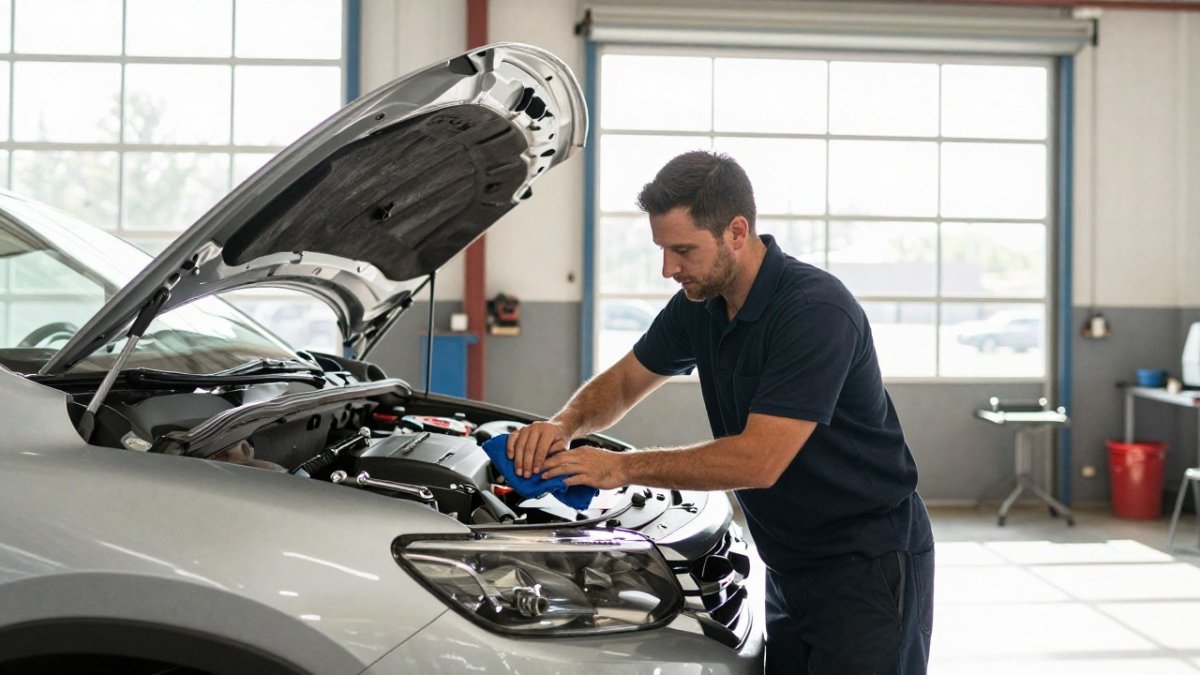
 How-to
How to Prepare Your Car for a Long Road Trip in 2026
Quick Summary
To prepare your car for a long road trip, inspect tires, fluids, battery, brakes, lights and wipers a few weeks ahead, then repeat a short walk-around at each fuel stop. Replace tires at 4/32 inch tread or below, and have any soft brake pedal, bulge or persistent warning light checked before you leave.
- Set tire pressure to the placard spec on the driver's door, measured when tires are cold.
- Replace tires at 4/32 inch tread depth or below before a long road trip.
- Consider replacing a battery that is three to five years old or older.
- Top off engine oil, coolant, brake fluid and washer fluid, and investigate any repeated low level.
- Clean driver-assistance cameras and radar sensors, and install pending software updates before departure.
Table of Contents
- Why a Pre-Trip Inspection Matters Before a Long Drive
- Road Trip Car Checklist: Step-by-Step Pre-Trip Inspection
- Car Maintenance Before a Road Trip: A Timeline for 2026 Models
- Packing a Road Trip Emergency Kit for Your Car
- Modern Vehicle Technology to Check for 2026 Models
- Book Your Pre-Trip Service at Carvibe Houston
- Frequently Asked Questions
Why a Pre-Trip Inspection Matters Before a Long Drive
A car that runs fine around town can still fail on a highway far from home, especially on a long road trip. If you are unsure whether a warning light before you leave is serious enough to fix first, see how to tell if you can safely ignore a check engine light.
Many of these problems give warning signs first, such as low tire pressure, a weak battery or a worn brake pad. Checking before you leave turns a likely breakdown into a quick fix.
- Catch small issues while they are cheap to repair
- Avoid roadside waits in unfamiliar areas
- Know your car's condition before you rely on it for hundreds of miles
Road Trip Car Checklist: Step-by-Step Pre-Trip Inspection
Work through these steps in order, ideally a few days before you leave on your long road trip, so you have time to order parts or book a shop visit. Use the specifications in your owner's manual for your exact model, and treat the numbers below as general guidelines.
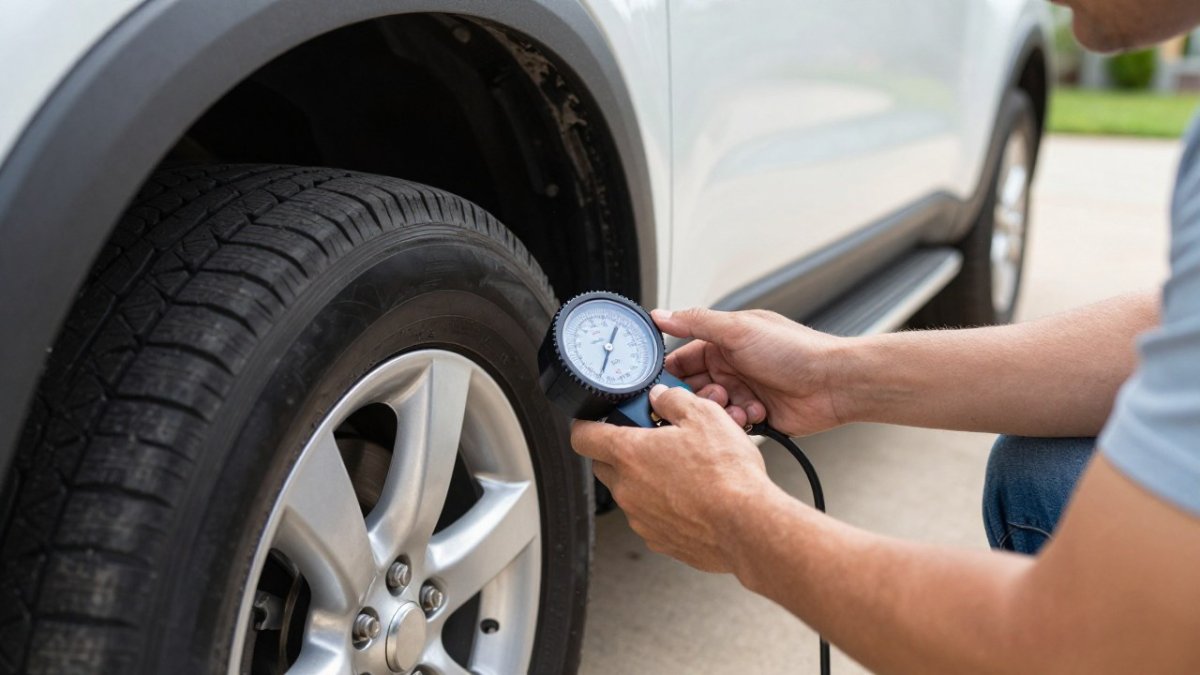
Check Tire Pressure, Tread Depth and Spare Tire
Tires are the most common source of road trip trouble, so start here. Check pressure when the tires are cold, using the number on the driver's door placard, not the maximum printed on the sidewall.
- Pressure: Set all four tires to the placard spec. Pressure specifications vary by vehicle, so use the placard on your door. Follow your owner's manual for adjustments when carrying a full load or towing, and never exceed the max on the sidewall.
- Tread depth: A penny test works as a quick screen, but a tread depth gauge is better. Tread at 4/32 inch or below is a common point of concern for wet-weather grip, and 2/32 inch is the legal minimum in many places, so check the local rules. If you can see the top of Lincoln's head on a penny, plan to replace before the trip.
- Condition: Look for cracks, bulges, cuts, punctures and uneven wear. A bulge or sidewall cut is a replace-now item, not a monitor item.
Watch out: a tire that loses more than a few psi per week has a slow leak, and topping it off before a long drive only delays the failure.
Top Off Engine Oil, Coolant and Other Fluids
Fluids keep the engine, transmission and brakes working under heat and load. Check them on level ground with the engine cool unless your owner's manual says otherwise.
- Engine oil: Pull the dipstick, wipe it, reinsert and read the level. Top off to the full mark with the viscosity listed on the oil cap. If the level is at or below the low mark, or the oil looks milky or gritty, have it checked before you leave.
- Coolant: Check the reservoir level against the cold-fill line. Never open a hot radiator cap. A sweet smell or a low reservoir that keeps dropping points to a leak.
- Brake fluid: Check the reservoir level and color. Dark, cloudy fluid or a level that keeps falling warrants a shop visit.
- Transmission and power steering: Check only if your model has a dipstick or a serviceable reservoir. Many newer cars are sealed, so leave those to a technician.
- Washer fluid: Fill it. You will use more than you expect on dusty or rainy highways.
If any fluid is low more than once, have a mechanic find the leak instead of simply topping it off.
Test the Battery, Brakes, Lights and Wipers
These four items are quick to test and easy to overlook.
- Battery: Look for corrosion on the terminals and make sure the connections are tight. A battery older than three to five years is a candidate for replacement, and many auto parts stores offer battery testing. If the engine cranks slowly or the lights dim at idle, test it now rather than at a rest stop.
- Brakes: Listen for squealing or grinding, and note any pulling to one side, a soft pedal or a pedal that sinks. To learn how to recognize worn pads, read the five signs of worn brake pads explained. Worn pads are a safety issue on mountain grades. If a warning light is on or the pedal feels soft, book a shop visit before you leave.
- Lights: Walk around the car and check headlights, high beams, brake lights, turn signals, hazard lights and license-plate lights. Have a helper work the pedals and switches while you watch.
Match the Checks to Your Vehicle Type
The same checklist does not apply equally to every car, so adjust for what you drive.
- Electric vehicles: Tire wear and pressure matter more because of the extra weight and instant torque. Check coolant and battery thermal systems per the manual, confirm the charging cable and adapter are packed, and plan charging stops before you leave. Regenerative braking saves pads but does not eliminate brake checks.
- Hybrids: Treat them like gas cars for tires, fluids and brakes, but expect longer brake pad life and check the hybrid cooling system per the manual.
- Older cars: Give extra attention to belts, hoses, the battery and any known weak points. A pre-trip inspection is cheaper than a highway tow.
Know When to Stop and Get a Professional Inspection
Some findings are fine to monitor and some are not. Get a shop inspection before departure if you find any of the following: tread at or below 4/32 inch, a tire bulge or sidewall cut, a brake pedal that feels soft or a grinding noise, a battery that fails a load test, a fluid leak you cannot trace, or a warning light that stays on.
The key checks at a glance, with the threshold that should prompt action:
| Check | Threshold | Action |
|---|---|---|
| Tread depth | 4/32 inch or below | Replace before the trip |
| Tread depth | 2/32 inch | Legal minimum in many places |
| Battery age | Three to five years | Candidate for replacement |
| Tire leak | More than a few psi per week | Repair the leak, don't just top off |
| Engine oil | At or below the low mark | Have it checked before leaving |
| Sidewall | Bulge or cut | Replace now |
| Brake pedal | Soft or sinking | Book a shop visit |
| Warning light | Stays on | Get a professional inspection |
Car Maintenance Before a Road Trip: A Timeline for 2026 Models
Plan your preparation so the important work is done before the day you leave, and so time-sensitive items like tires, parts orders and shop appointments are not left to the last minute. Consulting the experts at Town Center Auto provides the necessary technical context for these maintenance tasks, ensuring that every mechanical detail is addressed before you head out on your journey.
Four to Six Weeks Out: The Big-Ticket Items
- Book a full inspection if your last service was more than six months ago, or if you cannot remember when it was done.
- Check tire tread and condition. If you are near the 4/32 inch mark, order tires now, since popular sizes can take days to arrive.
- Have the battery load-tested if it is more than three years old.
Two Weeks Out: Tires, Battery and Brakes
- Replace tires if needed and confirm the spare is inflated and the jack and lug wrench are present.
- Replace the battery if it failed the load test.
- Have brakes inspected if you hear squealing or grinding, feel a soft pedal or see a warning light.
One Week Out: Fluids, Wipers and Electronics
- Complete the fluid checks and top off engine oil, coolant, brake fluid and washer fluid.
- Replace wiper blades that streak or skip.
- Clean driver-assistance cameras and radar sensors, and install any pending software updates.
The Day Before: Final Checks and Loading
- Recheck tire pressure when the tires are cold, since temperatures can swing overnight.
- Confirm no warning lights are on and that all lights work.
- Load the emergency kit where you can reach it without unpacking luggage.
At Each Fuel Stop: A Two-Minute Walk-Around
A long trip is not a one-time inspection. At every fuel stop, walk around the car and check tire pressure and temperature by hand, look for new leaks or damage, confirm lights still work and top off washer fluid if needed. This catches slow leaks and loose items before they become roadside problems.
Adjust the Timeline to Your Trip Conditions
The same schedule does not fit every trip, so shift the emphasis based on where you are going.
- Heat: Check coolant, tire pressure and battery condition more closely, since heat accelerates wear on all three.
- Cold and mountains: Check the battery, tires and brakes, and pack for ice and snow if the route calls for it.
- Remote areas: Carry extra water, a full-size spare if you have one, and a way to communicate when cell coverage drops.
Newer 2026 Models: What Is Different
Newer models often include driver-assistance systems and electronic warning indicators. Read the owner's manual section on these systems, since calibration and service rules can differ from older cars. Confirm no warning lights are on, check for pending software updates and install them before the trip, not during it. If a system warning stays on, have it checked before you drive long distances.
Packing a Road Trip Emergency Kit for Your Car
A small emergency kit can turn a breakdown into a minor delay. Keep the kit in an easy-to-reach spot, not buried under luggage.
- Jumper cables or a portable jump starter
- A tire inflator or sealant kit, plus a tire pressure gauge
- Basic tools, including a flashlight with spare batteries
Check your insurance or roadside assistance plan so you know what it covers before you leave.
Modern Vehicle Technology to Check for 2026 Models
Many 2026 vehicles rely on electronics that deserve a check before a long trip.
- Driver-assistance sensors: Clean the cameras and radar sensors behind the windshield, front bumper and grille. Dirt can disable lane-keeping and adaptive cruise control.
- Infotainment and navigation: Download offline maps before you leave, since coverage can drop in rural areas.
- Dashboard warning lights: Confirm no warning lights are on. Check your owner's manual for what each indicator means.
If a system warning stays on, have it checked before you drive long distances.
Book Your Pre-Trip Service at Carvibe Houston
If your checks turn up a problem you would rather not handle yourself, a professional inspection is the safest next step. Carvibe Houston offers on-site auto service and maintenance. You can also browse trucks available at Carvibe Houston if you are weighing whether a different vehicle suits a long-haul trip.
Last Updated: November 16, 2026
Frequently Asked Questions
What should I check on my car before a road trip?
Start with tire pressure, tread depth and the spare tire, then check engine oil, coolant, brake fluid and washer fluid levels. Test the battery and its terminals, confirm headlights, brake lights and turn signals work, and inspect wiper blades. Look at brake pads for wear, and review any warning lights. Doing these checks a week or two before departure gives you time to schedule repairs if something fails inspection.
How far in advance should I prepare my car for a road trip?
Begin about two to three weeks before departure. Use the first week for a full inspection and any repairs such as tires, brakes or a battery replacement, which can take time to schedule. The final few days are best for topping off fluids, checking tire pressure cold, and packing your emergency kit. Pricing for services depends on your vehicle and the work needed, so request a current quote from Carvibe Houston before booking.
How do I know if my tires are safe for a long road trip?
Check that each tire is inflated to the pressure listed on the driver's door placard, using a gauge while the tires are cold. Look for uneven wear, cracks, bulges and embedded objects. Use a tread depth gauge or the penny test to confirm adequate tread, and make sure the spare is inflated and has its jack and lug wrench. Replace any tire with visible damage before you leave.
What emergency supplies should I keep in my car on a road trip?
Pack jumper cables or a portable jump starter, a tire inflator, a first-aid kit, drinking water, non-perishable snacks, a flashlight with spare batteries, a phone charger, and a basic tool set. Add a reflective warning triangle, a blanket and a small fire extinguisher if you have space. Keep a copy of your insurance card and roadside assistance number in the glove box.