 How-to
7 Steps of the Car Appraisal Process Explained
Last Updated: November 11, 2026
Quick Summary
The car appraisal process is a seven-step assessment of a vehicle's current market value. It verifies ownership, pulls the vehicle history, inspects the exterior, interior and mechanical systems, compares the car against recent sales of similar vehicles, and then builds an itemised offer.
- Confirm the title, VIN and registration match the car before the appraisal begins.
- Market comparison and inspection usually take the most time in the appraisal.
- Ask the appraiser to itemise the offer and show which comparables were used.
- Bring competing written offers to compare against the dealer's figure.
- Compare the trade-in value and new-vehicle price as one total before agreeing to a deal.
Table of Contents
- What Is a Vehicle Appraisal and Why It Matters
- Step-by-Step: How the Car Appraisal Process Works
- Getting Your Car Appraised at a Dealership: What to Expect
- How Long Does a Car Appraisal Take?
- Where Can I Get My Car Appraised for Free?
- Documents and the Vehicle Appraisal Form You'll Need
- Booking Your Appraisal or Trade-In Visit at Carvibe Houston
- Frequently Asked Questions
What Is a Vehicle Appraisal and Why It Matters
A vehicle appraisal is a professional assessment of a car's current market value. Dealers, lenders, and insurers use it to decide what a car is worth before a sale, trade-in, or claim. For most car owners, the appraisal sets the number they will negotiate around, so knowing how it works puts you in a stronger position.
The appraiser looks at the car's condition, mileage, history, and features, then compares it against recent sales of similar vehicles.
Here is why the car appraisal process matters:
- It sets a realistic starting point for a trade-in or sale
- It reveals problems that could lower your offer
- It gives you a number to check other offers against
- It helps you spot unfair pricing before you sign anything
Watch out: Do not accept the first number you hear. Ask the appraiser to walk you through how they reached it.
Step-by-Step: How the Car Appraisal Process Works
Most appraisals follow the same general sequence, although the weight given to each step depends on whether the car is being bought, traded in, or valued for insurance. Knowing what happens at each stage lets you anticipate the questions and check the appraiser's reasoning as it unfolds.

- Verify ownership and the vehicle's identity. The appraiser confirms the title, the VIN, and the registration match the car in front of them. Mismatches here, especially around liens, can stop the appraisal before it starts.
- Pull the vehicle history. Commercial vehicle history reports show reported accidents, title brands (salvage, rebuilt, flood), service entries, and odometer readings over time. A clean report is worth more than a detailed explanation of a problem you never disclosed.
- Document the exterior. The appraiser walks around the car and notes paint condition, body panel alignment, glass chips, and tire tread depth. Mismatched paint across panels usually signals prior bodywork, which is recorded and priced in.
- Inspect the interior and electronics. Seat wear, dashboard cracks, odometer accuracy, working features, and any warning lights are logged. Items that need repair can become a deduction from the offer.
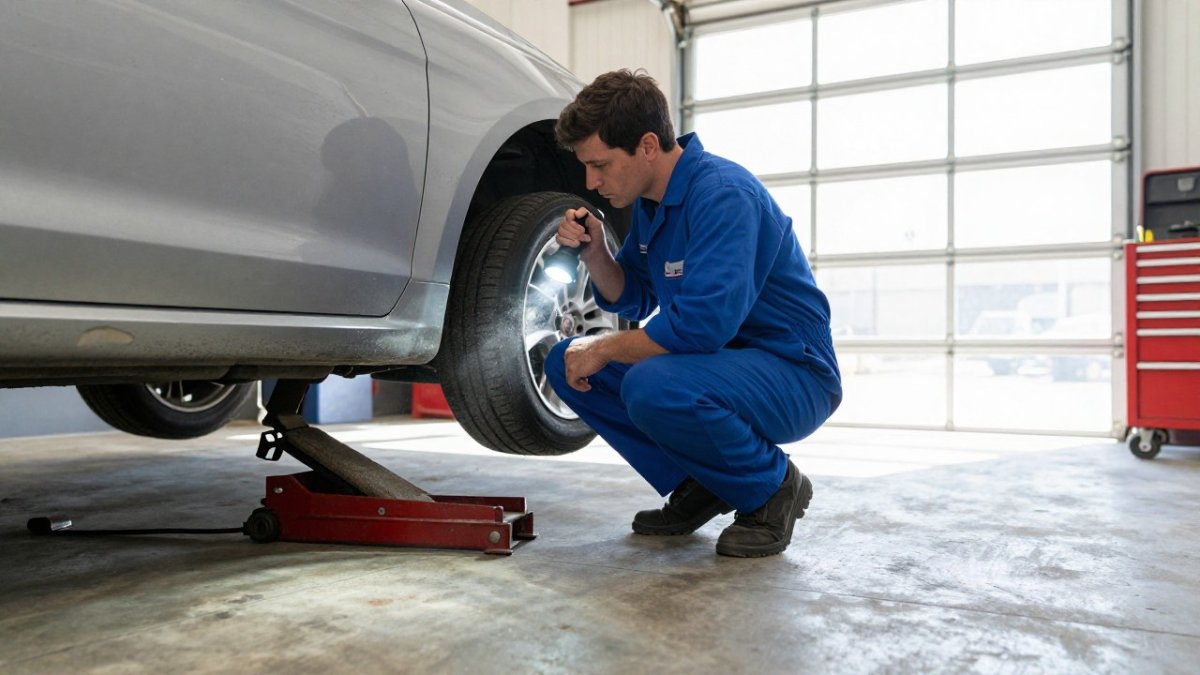
- Test the mechanical systems. A short drive checks the transmission shift quality, brake response, steering alignment, and unusual noises. Engine codes can be read with a scan tool, and fluid leaks or smoke at startup are noted.
- Compare against market data. This is where the number is set. The appraiser looks at recent sales and current listings for the same year, make, model, trim, and mileage in your area. Adjustments are then applied for condition, options, and history. Ask which comparables were used.
- Build the offer. Ask for the breakdown of the offer so you can see each deduction and question any you think are inflated.
The inspection and the market comparison usually take the most time. Seeing the steps in order makes those differences easier to spot and question.
The appraisal follows a sequence of steps, and the market comparison and inspection usually take the most time.
| Step | What the appraiser does | Key check |
|---|---|---|
| 1. Verify ownership | Confirms title, VIN and registration match the car | Liens or mismatches |
| 2. Pull history | Reviews commercial vehicle history reports | Accidents and title brands |
| 3. Document exterior | Notes paint, panel alignment, glass and tires | Mismatched paint signals prior bodywork |
| 4. Inspect interior | Logs seat wear, cracks, odometer and warning lights | Repair items can reduce the offer |
| 5. Test mechanicals | Checks transmission, brakes, steering and noises | Engine codes and fluid leaks |
| 6. Compare market data | Reviews recent sales for same year, make, model and trim | Ask which comparables were used |
| 7. Build the offer | Itemises the offer and deductions | Question any inflated deduction |
Getting Your Car Appraised at a Dealership: What to Expect
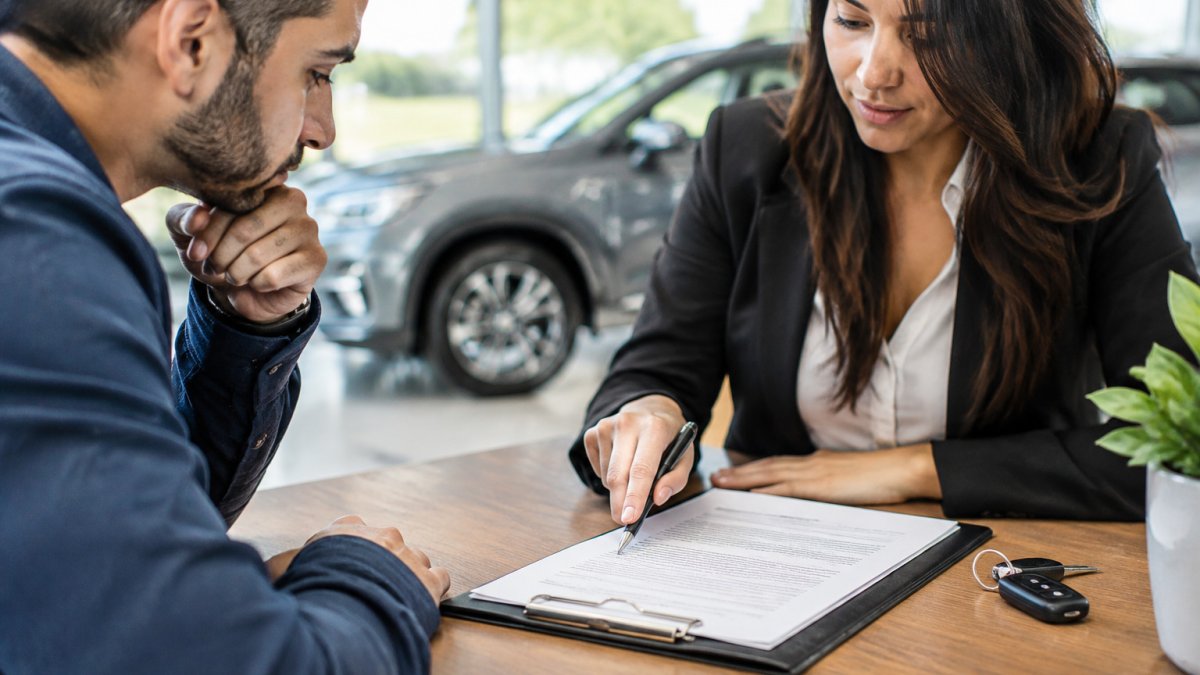
A dealership appraisal can be a quick route to a trade-in offer. The appraiser works for the dealer, and the offer is based on the dealer's own valuation. Understanding that structure is what makes negotiation possible.
When the offer arrives, it helps to separate the number into its parts. Ask the appraiser for the estimated retail value, the reconditioning deduction, and the margin the dealer is applying. Once you see those figures, you can respond to specific items instead of arguing about the total. A deduction of several hundred dollars for tire replacement, for example, can be checked against a local tire shop's quote, and a condition rating you disagree with can be discussed point by point.
Several approaches tend to work in a consumer's favor:
- Bring competing written offers from other dealers or online buyers, and refer to them by specific figure rather than general claims
- Ask whether the offer is contingent on a purchase, and request the trade-in value separately from any discount on the new vehicle
- Stay quiet for a moment after receiving the number; many people fill silence with a concession
- Ask the appraiser to re-check a condition item you believe was rated too low, and bring documentation if you have it
Watch out: Dealers sometimes move the trade-in value up while raising the price of the vehicle you are buying, so the net result looks better than it is. Compare the two sides of the deal as a single total before agreeing to anything.
The psychology of the exchange matters too. Staying calm, specific, and willing to walk away is usually more effective than pressing hard on a single number. If the dealer will not explain how they reached the figure, that is useful information about how much the offer can move.
How Long Does a Car Appraisal Take?
Calling ahead or checking with Carvibe Houston directly is the best way to confirm current appraisal timing.
Where Can I Get My Car Appraised for Free?
Free appraisals are not always free of strings. Some dealers use the appraisal to steer you toward a sale, so go in with a clear plan and set limits on what you will accept. Also, ask whether the offer is good for a set number of days.
Documents and the Vehicle Appraisal Form You'll Need
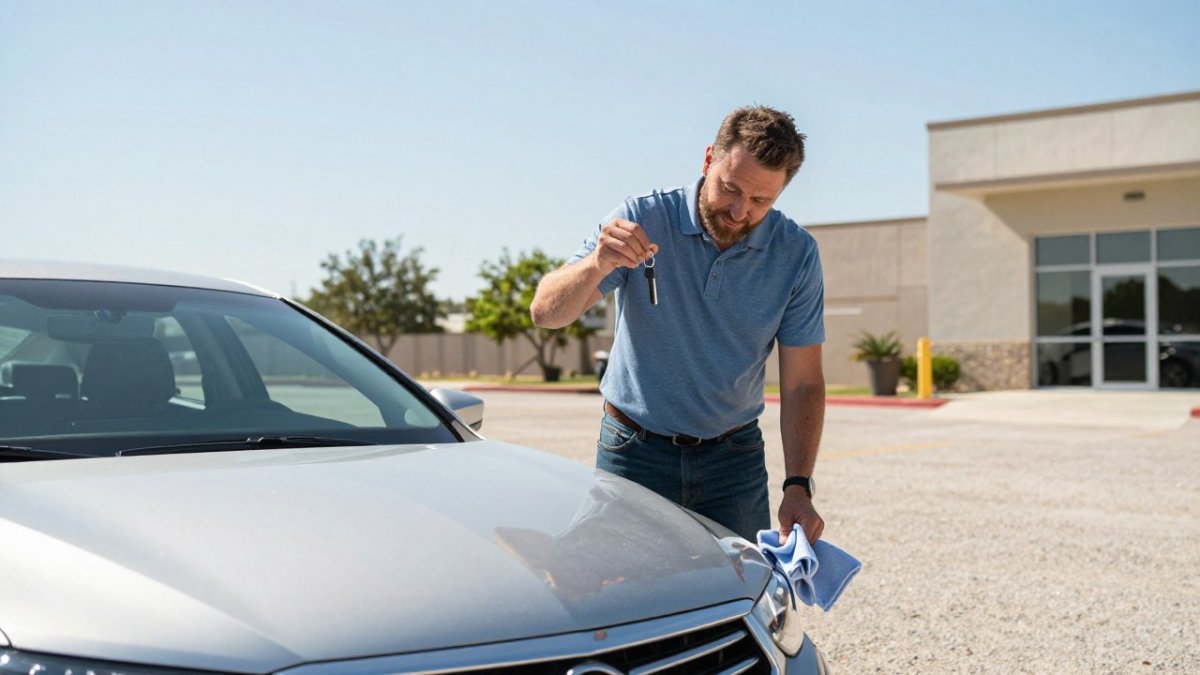
Having the right paperwork speeds up the process and prevents delays. Before you bring the car in, see how cleaning your car can raise its trade-in value. Check with Carvibe Houston for the documents it requires before your visit.
The vehicle appraisal form records the car's condition, features, and mileage. Review it before you sign. Make sure every known issue is listed accurately, since an error can change the final offer or cause problems after the sale.
Booking Your Appraisal or Trade-In Visit at Carvibe Houston
Carvibe Houston offers trade-in appraisals for pre-owned SUVs, trucks, and sedans. Our pre-owned inventory and competitive trade-in values make this a practical starting point for many local drivers.
Plan your visit ahead of time and tell us about your goals, whether that is a trade-in, a sale, or a new purchase. Our step-by-step trade-in guide walks you through preparing for the visit. If you are also thinking about a vehicle, flexible financing options are available regardless of credit history. You can also get auto loan pre-approval in Houston in seven steps before you visit. You can find out how Carvibe Houston's auto financing works before you visit.
Ready to get started? Search our inventory and book your appraisal today.
Frequently Asked Questions
How long does a car appraisal usually take?
Most dealership appraisals take roughly 20 to 45 minutes for a standard vehicle. The inspection itself is quick, but the appraiser also checks the title, reviews the vehicle history report, and compares your car against current market data before writing an offer. If your car has visible damage, a warning light, or missing records, the appraisal can run longer. You can ask for an estimated time when you schedule.
What will cause a car to fail an appraisal?
Certain issues can lower a trade-in offer, such as major accident damage, title brands, active warning lights, or fluid leaks.
Is a dealership car appraisal free?
Confirm the cost of any appraisal with Carvibe Houston before you schedule so there are no surprises.
What documents should I bring to a car appraisal?
Check with Carvibe Houston for the documents it requires before your appraisal.