 listicle
Buy Used SUV in Houston: Complete Buyer's Guide
Table of Contents
- Used SUV Inventory in Houston
- Popular SUV Models to Consider
- How to Inspect a Used SUV Before Buying
- Used SUV Financing Options for Every Credit Score
- First-Time Car Buyer Checklist for SUVs
- Trade-In Appraisal and Total Cost of Ownership
- Schedule Your Test Drive and Next Steps
- Frequently Asked Questions
Last Updated: September 3, 2026
Used SUV Inventory in Houston
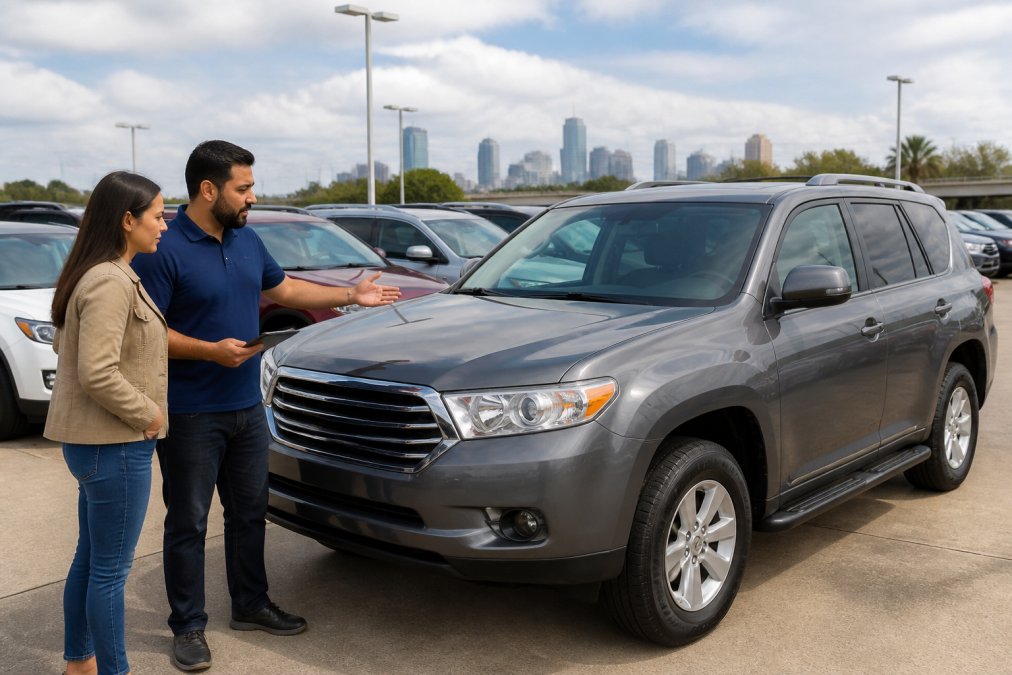
When buying a used SUV in Houston, understanding what's available is your first step. The market offers everything from compact crossovers to full-size three-row models, with inventory shifting weekly as dealerships refresh stock. Focus on vehicles with documented maintenance records, clean title history, and transparent mileage documentation, the difference between a well-maintained used SUV and a neglected one often comes down to service records, not just the odometer reading.
Prioritize vehicles showing consistent oil change intervals, tire rotations, and manufacturer-recommended service. Gaps in service history are red flags regardless of mileage. The best time to find competitive inventory is mid-week, when dealerships update listings and pricing offers more negotiating room than weekend shopping.
Popular SUV Models to Consider
Three categories dominate the used SUV market: compact crossovers, midsize family SUVs, and full-size models designed for towing and cargo.
Compact Crossovers (Honda CR-V, Toyota RAV4, Mazda CX-5) deliver fuel efficiency and easy maneuverability for commuters and small families. These models hold resale value aggressively, meaning you'll pay a premium on the used market, but they're reliable with lower insurance and maintenance costs than larger models.
Midsize Family SUVs (Honda Pilot, Toyota Highlander, Chevrolet Traverse) offer third-row seating and significantly more cargo space for growing families or regular equipment hauling. Depreciation is gentler than compact models, creating better used-market value, though fuel efficiency drops noticeably and insurance premiums climb.
Full-Size SUVs (Chevrolet Tahoe, GMC Yukon, Ford Expedition) target buyers needing serious towing capacity or off-road capability. Used full-size models depreciate faster, creating value opportunities, but fuel costs and maintenance expenses increase substantially. Reserve these for genuine use cases, not aspirational purchases.
For first-time SUV buyers, compact crossovers typically offer the best balance of practicality, cost, and reliability. According to Edmunds vehicle research and pricing data, compact crossovers average 25-28 MPG combined, midsize models at 20-24 MPG, and full-size vehicles at 16-20 MPG. Over five years, the fuel cost gap between a RAV4 and a Tahoe can exceed $8,000.
How to Inspect a Used SUV Before Buying
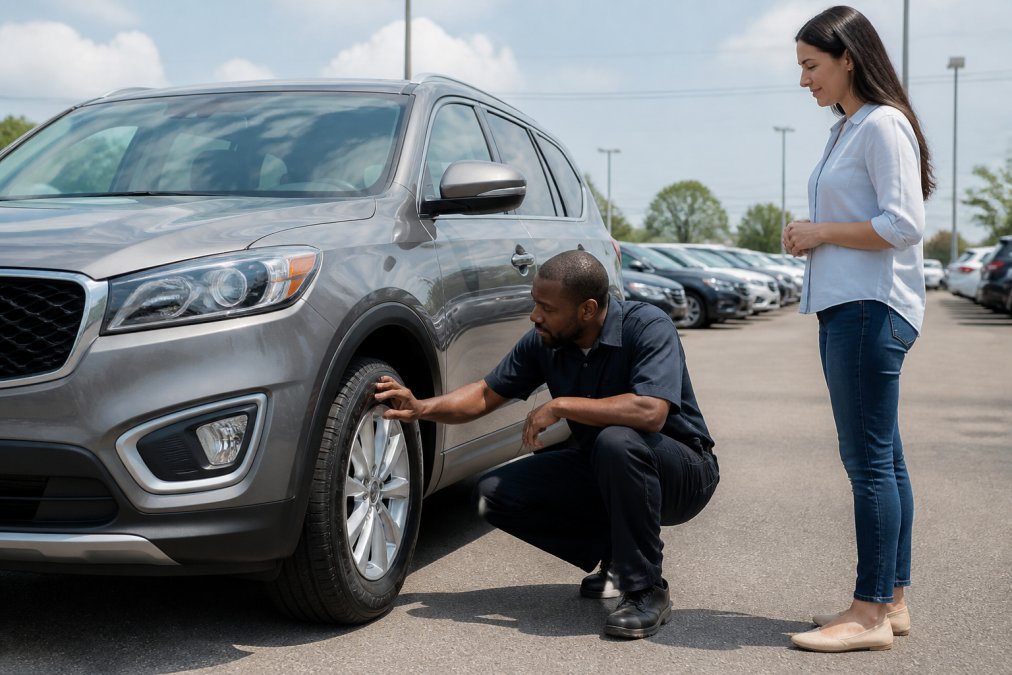
Never buy a used SUV without a thorough pre-purchase inspection. Start with the exterior in daylight, looking for paint inconsistencies that signal prior accident damage. Check panel gaps, they should be uniform; uneven gaps indicate frame damage. Inspect tire tread using the penny test: insert a penny with Lincoln's head facing down; if you see the top of his head, tires need replacement soon. Check all four tires for mismatched wear patterns suggesting alignment or suspension issues.
Look underneath for rust, corrosion, or leaking fluids. A few surface rust spots are normal; deep pitting or active corrosion is problematic. Open the hood and inspect for amateur repairs: mismatched hoses, clamps, or connectors. Check fluid levels, oil should be translucent brown or amber, not black or milky. Coolant should be the specified color, not rusty or cloudy.
Inside the cabin, test all electrical systems: power windows, locks, seat adjustments, climate control, infotainment displays. Check for stains or odors suggesting water damage or neglect.
After your visual assessment, hire an independent mechanic for a pre-purchase inspection. This typically costs $150-$300 and is the best money you'll spend. A qualified technician will perform comprehensive diagnostics, test drive under load, and identify emerging issues. Never skip this step to save money, hidden transmission problems or failing suspension components cost thousands to repair.
Used SUV Financing Options for Every Credit Score
Financing a used SUV requires understanding your credit position and available loan structures.
Traditional Bank Financing works best with good credit (670+), offering competitive rates and transparent fee structures. Banks are rigid on credit requirements; scores below 620 typically don't qualify.
Credit Union Financing often delivers better rates than banks, especially for established members, with more flexible credit requirements for the 580-650 range. You must be a member, and the application takes longer.
Dealership Financing through Carvibe Houston provides flexibility across the entire credit spectrum, including recent bankruptcy or high debt-to-income ratios.
Specialized Subprime Lenders focus on buyers with poor credit below 580, but interest rates often exceed 15-18%. Use this only if traditional and dealership financing aren't available.
Your credit score directly impacts interest rates. A 750+ score might qualify for 4-6% financing, while a 580 score could face 14-18% rates on the same vehicle. Over five years, this difference translates to thousands in additional interest costs.
Before applying, check your credit report for errors and dispute inaccuracies with credit bureaus, correcting errors can improve your score by 20-50 points, translating to meaningfully lower rates. Get pre-approved before visiting dealerships through AnnualCreditReport.com to establish your actual budget.
First-Time Car Buyer Checklist for SUVs
First-time buyers often overlook critical decisions that compound into unnecessary costs.
Before You Shop:
- Check your credit report and dispute any errors
- Get pre-approved for financing through at least two lenders
- Determine your actual monthly payment budget (aim for under 15% of gross monthly income)
- Research insurance quotes for specific models you're considering
- Identify your actual use case: daily commuting, family transport, or towing needs
- Set a maximum vehicle age and mileage threshold based on warranty coverage needs
During Your Inspection:
- Request and review the complete vehicle history report
- Hire an independent mechanic for a pre-purchase inspection
- Test drive in multiple conditions: highway, city streets, parking
- Verify the odometer reading matches the title and service records
- Check that all advertised features function correctly
- Ask for maintenance records from the previous owner dog seat covers.
Before You Finance:
- Compare interest rates from at least three lenders
- Understand the total cost of the loan, not just the monthly payment
- Ask about early payoff penalties
- Verify the down payment amount and what it covers
- Review all fees: documentation, title transfer, registration, dealer preparation
- Confirm warranty coverage: what's included and for how long
After Purchase:
- Schedule maintenance immediately: oil change, filter replacement, fluid top-offs
- Register the vehicle and update insurance within the required timeframe
- Keep all service records for future resale value
- Set reminders for scheduled maintenance intervals
Trade-In Appraisal and Total Cost of Ownership
Trading in your current vehicle reduces financing needs, but only if you understand how appraisals work. Dealerships appraise vehicles based on condition, mileage, market demand, and local inventory levels. You can't argue a vehicle into being worth more than the market will pay.
Maximize trade-in value by presenting the vehicle in excellent condition with service records. Get independent appraisals before visiting dealerships using Kelley Blue Book vehicle valuation tool and Edmunds to establish a reasonable range.
Total Cost of Ownership extends beyond purchase price and monthly payment to include fuel, insurance, maintenance, repairs, registration, and depreciation. A compact crossover might have a higher purchase price but lower fuel and insurance costs, resulting in lower total ownership expense.
Carvibe Houston's comprehensive on-site auto service and maintenance capabilities help manage ownership costs effectively through one trusted location with genuine parts and transparent pricing.
Schedule Your Test Drive and Next Steps
The test drive validates everything you've learned through inspection and research. A proper test drive takes 30-45 minutes covering multiple driving conditions.
Highway Driving: Accelerate to highway speed and listen for unusual noises. Feel for vibration in the steering wheel or brake pedal. Test transmission smoothness and cruise control function.
City Driving: Navigate residential streets at low speed. Test brakes multiple times, they should feel responsive without excessive pedal pressure. Check steering feel and test all safety features: backup camera, blind-spot warnings, collision alerts.
Parking: Attempt parallel parking to evaluate steering ease and visibility.
Climate Control: Run air conditioning and heating systems at all fan speeds and temperature settings.
Pay attention to your gut reaction. If something feels off, unusual noises, hesitant transmission response, brake feel that seems wrong, trust that instinct. Take 24 hours before deciding; the best purchase decisions happen when emotion settles and logic prevails.
Scheduling your test drive with Carvibe Houston is straightforward. Our team will ensure the vehicle is fueled, clean, and ready for thorough evaluation. We understand that buying a used SUV is significant, and we're committed to making the process transparent and pressure-free.
Buying a used SUV in Houston doesn't require settling for uncertainty or overpaying for mediocre vehicles. The process becomes manageable when you understand what to inspect, how financing works, and what fair market value looks like for your situation. Carvibe Houston offers the inventory depth, flexible financing options, and expert guidance that transform this process from overwhelming to straightforward. Start with a clear budget, get pre-approved for financing, and schedule a test drive with vehicles matching your actual needs. Our team will help you navigate every step, from inspection through trade-in appraisal to final paperwork. Search our current inventory and schedule your test drive today.
Frequently Asked Questions
Q: What should I check before buying a used SUV?
A: Inspect the vehicle history report for accidents and title status, examine the exterior for rust or damage, check tire tread depth and condition, test all brakes and steering, review maintenance records, and take a test drive on various road types. Have a trusted mechanic perform a pre-purchase inspection if possible. Ask about the SUV's mileage, drivetrain type, and any warranty coverage remaining.
Q: What used SUV financing options are available for buyers with low credit scores?
A: Many dealerships, including Carvibe Houston, offer flexible financing regardless of credit history. Options include working with lenders experienced in subprime auto loans, making a larger down payment to reduce risk, or bringing a co-signer. Expect higher interest rates if your credit score is lower, but transparent lenders will explain all terms upfront. Pre-approval helps you understand your budget before shopping.
Q: Are used SUVs a good investment for local commuting?
A: Used SUVs offer reliable transportation for daily commuting with good cargo space and safety features. Consider fuel efficiency, maintenance costs, and total cost of ownership when evaluating value. All-wheel drive SUVs perform well in varied weather conditions. Certified pre-owned vehicles with warranty coverage and accident-free history reports provide added peace of mind for long-term commuting reliability.
Q: How do I know if a used SUV has a clean title and hasn't been in major accidents?
A: Request a vehicle history report (such as CARFAX) that shows accident history, title status, and previous ownership. A clean title means no liens or salvage claims. The report will detail any reported accidents, flood damage, or structural issues. Inspect the vehicle in person for signs of previous damage, mismatched paint, or frame damage. Reputable dealerships provide full history reports before purchase.