 ultimate-guide
Used SUV Buying Guide 2026: What You Need to Know
Table of Contents
- Used SUV Categories: Compact, Midsize, and Full-Size Options
- Reliability Ratings, Maintenance Costs, and Total Cost of Ownership
- Used SUV Inspection Checklist: What to Look For Before You Buy
- How to Check Vehicle History Reports and Verify Clean Titles
- Financing a Used Car: Loans, Interest Rates, and Credit Flexibility
- Certified Pre-Owned vs. Private Sale: Which Offers Better Value
- Fuel Efficiency, Powertrain Options, and Safety Features That Matter
- Frequently Asked Questions
Last Updated: September 21, 2026
Used SUV Buying Guide 2026: What You Need to Know
Buying a used SUV is one of the largest financial decisions you'll make. The choices feel overwhelming: certified pre-owned or private sale, compact or full-size, how much to spend, which model years to trust. At Carvibe Houston, we guide buyers through this process, helping them make a smart purchase. This used SUV buying guide covers everything you need to evaluate before you commit, from inspection techniques to financing options that actually work for your credit situation.
The stakes are high. A poor inspection can hide thousands in repairs. A bad financing decision can lock you into payments that drain your budget for years. But the right approach makes the difference between a reliable vehicle you'll drive confidently and one that becomes a financial anchor.
Below, we'll show you exactly how to inspect a used SUV, verify its history, understand total cost of ownership, and secure financing that fits your situation. We'll cover the categories that matter most, compact, midsize, and full-size options, and explain why certified pre-owned vehicles often deliver better value than private sales, even if the upfront price seems higher.
Used SUV Categories: Compact, Midsize, and Full-Size Options
Compact SUVs deliver efficiency and maneuverability without the bulk. Models in this class typically offer seating for five, manageable cargo capacity, and fuel economy that doesn't punish your wallet at the pump. They work best for urban commuters, first-time SUV buyers, and anyone who doesn't need to tow.
Midsize SUVs represent the sweet spot for most families. You get significantly more interior space, towing capacity that handles trailers and boats, and all-wheel drive options that perform in varied weather. Cargo capacity jumps noticeably compared to compact models, and the powertrain options expand to include both gas and hybrid variants. Resale value tends to hold better in this segment because demand remains consistent.
Full-size SUVs are built for serious capability. Three rows of seating, substantial towing capacity, and commanding road presence come standard. These vehicles suit families with multiple children, those who frequently tow, and buyers who prioritize interior comfort over fuel efficiency. Maintenance costs and fuel expenses climb in this category, so total cost of ownership calculations become critical before committing.
The right category depends on your actual needs, not your aspirations. Many buyers choose full-size SUVs imagining they'll use the third row regularly, then regret the fuel bills and parking challenges when they don't. Start with how you'll actually use the vehicle 80% of the time, then select the category that fits that reality.
Reliability Ratings, Maintenance Costs, and Total Cost of Ownership
Reliability ratings matter more for used vehicles than new ones. You're inheriting someone else's maintenance decisions and the consequences of their driving habits. Research model-specific reliability before you test drive. Some model years within the same generation have dramatically different reliability profiles due to engine or transmission changes.
Total cost of ownership extends far beyond the purchase price. Calculate the expected maintenance schedule, typical repair costs for common issues, insurance premiums for the model, and fuel expenses based on your driving patterns. A cheaper purchase price means nothing if repairs consume your savings within two years.
Maintenance costs vary wildly by model. Some used SUVs have affordable service intervals and inexpensive parts; others require dealer visits for routine work at premium prices. Transmission repairs, suspension work, and brake service costs differ substantially between models. Ask the dealer or private seller for maintenance records, they reveal what actually breaks and how much owners typically spend keeping the vehicle running.
Extended warranties can protect you, but read the fine print carefully. Some cover only major components while excluding wear items like brakes and batteries. Others require dealer service only, which limits your repair options and increases costs. Calculate whether the warranty cost makes sense based on the vehicle's age and mileage.
| Cost Category | Typical Range | Impact on Decision |
|---|---|---|
| Annual maintenance | Varies by model | Budget 1-2% of vehicle value |
| Major repairs (transmission, engine) | $1,500-$5,000+ | Factor into purchase price |
| Insurance premiums | Model-dependent | Get quotes before buying |
| Fuel costs | Depends on efficiency | Calculate annual spend |
Used SUV Inspection Checklist: What to Look For Before You Buy
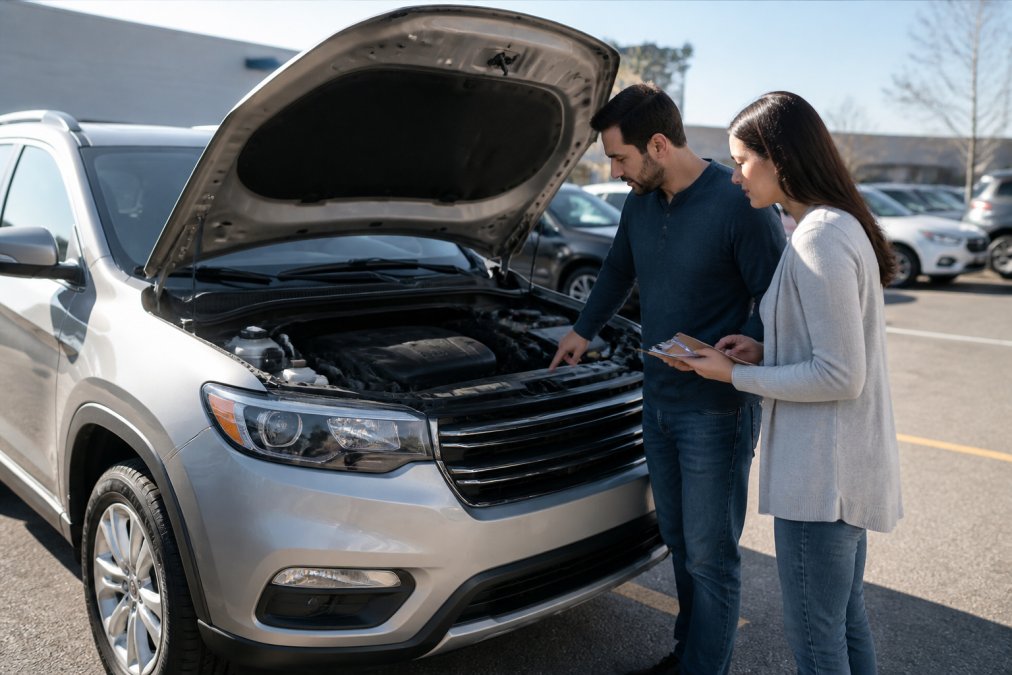
Never buy a used SUV without a thorough inspection. A visual walk-around isn't enough. You need to check underneath, listen carefully to the engine, and test every system. The inspection reveals hidden problems that kill deals or justify negotiating the price down.
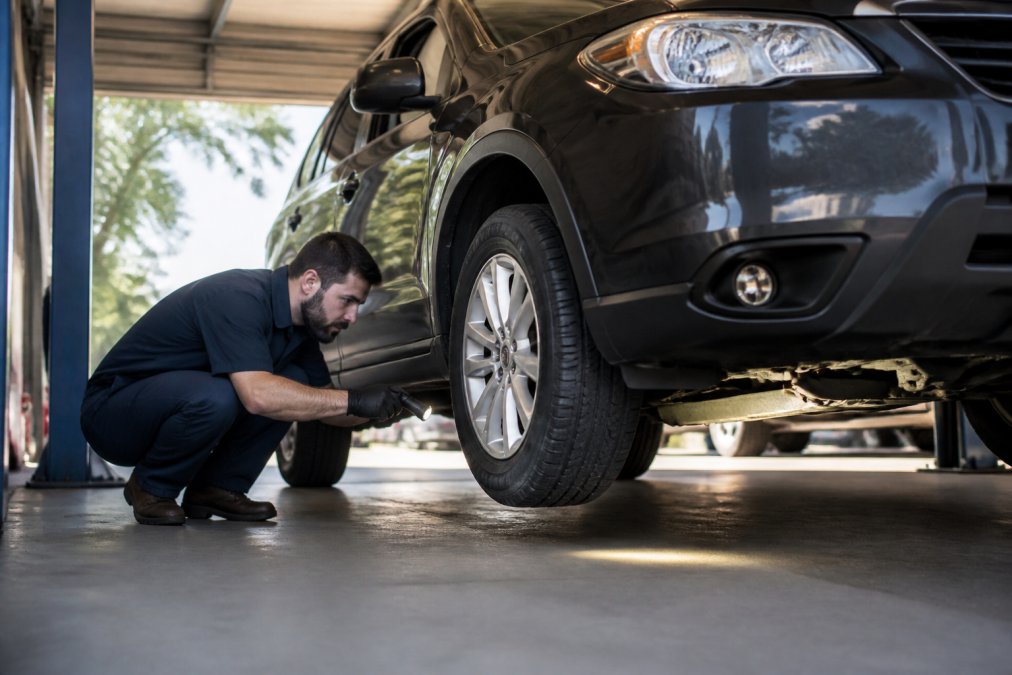
Start with the exterior. Look for mismatched paint, which signals previous accidents and poor repair work. Check panel gaps, they should be consistent. Examine the tires for uneven wear, which indicates suspension problems or alignment issues. Verify the Vehicle Identification Number on the dashboard matches the title and registration documents.
Move underneath. Get low and inspect the frame, suspension components, and undercarriage. Rust and corrosion suggest the vehicle spent time in harsh climates or wasn't maintained properly. Look for fresh welds or bent metal, which indicate collision repairs. Check the transmission pan for fluid leaks and discoloration.
Test the engine. Start it cold and listen for knocking, grinding, or unusual noises. Acceleration should be smooth without hesitation. Check the transmission, it should shift smoothly without clunking or delay. Test the brakes by driving at moderate speed and applying steady pressure; they should respond immediately without pulling to one side.
Inspect the interior thoroughly. All controls should function, windows, locks, climate control, infotainment system. Check for water stains on the headliner or carpet, which indicate roof leaks or flooding. Examine the condition of the driver's seat; heavy wear suggests high mileage beyond what the odometer claims.
Run the vehicle through its paces on the test drive. Accelerate on the highway, test the brakes from highway speed, navigate turns to feel the suspension, and drive over rough pavement to identify squeaks or rattles. Listen for noises that only appear under specific conditions, they're often the most expensive to diagnose and repair.
How to Check Vehicle History Reports and Verify Clean Titles
A vehicle history report is non-negotiable. Services like Carfax and AutoCheck compile accident history, title records, service records, and ownership changes. These reports don't catch everything, but they reveal major red flags that should kill a deal immediately.
Look for title brands in the report. A clean title means the vehicle has never been declared a total loss, salvage, or flood-damaged vehicle by an insurance company. Branded titles dramatically reduce resale value and often indicate serious structural or mechanical damage.
Financing a Used Car: Loans, Interest Rates, and Credit Flexibility
Financing a used vehicle differs from financing new cars. Interest rates are typically higher, loan terms are shorter, and credit requirements vary more widely. Your credit score, down payment size, and the vehicle's age and mileage all influence the rates you'll receive.
Certified Pre-Owned vs. Private Sale: Which Offers Better Value
Certified pre-owned vehicles cost more than private sales, but the difference often reflects real value. Dealerships inspect certified pre-owned vehicles thoroughly, address any issues found, and provide a powertrain warranty. Private sales offer no such guarantees.
Fuel Efficiency, Powertrain Options, and Safety Features That Matter
Fuel economy varies dramatically between models and powertrains. Hybrid SUVs deliver substantially better efficiency than gas-only models, though they cost more upfront. Calculate your annual fuel costs based on your expected driving patterns, the savings compound over years of ownership.
Frequently Asked Questions
What is the most reliable used SUV to buy in 2026?
Reliability depends on model year, mileage, and maintenance history rather than brand alone. Check vehicle history reports and reliability indexes before purchasing. Models with strong track records for durability typically have lower maintenance costs and higher resale value. Always request maintenance records and have a trusted mechanic inspect any used SUV before finalizing your purchase.
How do I use a vehicle history report to check for accidents and title issues?
A vehicle history report shows accident history, title status, odometer readings, and service records tied to the vehicle identification number (VIN). Services like Carfax and AutoCheck provide detailed reports for a small fee. Look for branded titles (salvage, flood, lemon law), accident damage, and consistent mileage progression. Clean title status and no major accident history are critical for long-term ownership and resale value.
What should I check during a used SUV test drive?
Test the brakes, steering responsiveness, and acceleration on both highway and city roads. Listen for unusual noises from the engine, transmission, or suspension. Check all infotainment features, climate control, and driver assistance features like adaptive cruise control and blind-spot monitoring. Inspect cargo capacity and interior comfort for your needs. A thorough test drive reveals mechanical issues that inspections might miss.
How does financing a used car differ from financing a new car?
Used car loans typically have higher interest rates and shorter terms than new car loans, especially for vehicles over 10 years old. Down payment requirements may be larger, and extended warranties cost more. Credit score and income verification affect approval odds and interest rates significantly. Flexible financing options exist for buyers with lower credit scores, though rates will reflect higher risk. Get pre-approved for a loan before shopping to understand your budget.
What is the difference between Certified Pre-Owned and a regular used SUV?
Certified Pre-Owned (CPO) vehicles pass manufacturer inspections and come with powertrain warranties, typically covering major components for 2-5 years. Regular used SUVs are sold as-is with no warranty unless extended coverage is purchased separately. CPO vehicles cost more upfront but offer peace of mind and lower repair risk early in ownership. Private sales and used dealerships offer lower prices but require more due diligence on vehicle condition.
How many miles is too many for a used SUV?
Mileage alone doesn't determine condition; maintenance history matters more. SUVs with 100,000-150,000 miles and complete service records can be reliable if major components like the transmission and engine are sound. High-mileage vehicles depreciate less and may offer better value if mechanically solid. Have a mechanic inspect the transmission, suspension, and brakes regardless of mileage. Modern SUVs often run reliably well beyond 150,000 miles with proper care.