 ultimate-guide
Lifted Trucks for Sale: A Buyer's Guide
Table of Contents
- What to Know Before Buying a Lifted Truck
- How to Inspect a Used Lifted Truck
- Understanding Suspension Lift vs. Body Lift
- Cost of Suspension Lift Kits and Custom Modifications
- Lifted Truck Maintenance Tips and Requirements
- Financing Options and Trade-In Value
- Safety, Legal Compliance, and Vehicle History
- Finding Your Next Lifted Truck
- Frequently Asked Questions
Last Updated: September 28, 2026
What to Know Before Buying a Lifted Truck
Buying a lifted truck requires understanding modification choices, maintenance demands, and legal implications that differ significantly from standard trucks. Buying a lifted truck requires understanding modification choices, maintenance demands, and legal implications that differ significantly from standard trucks.
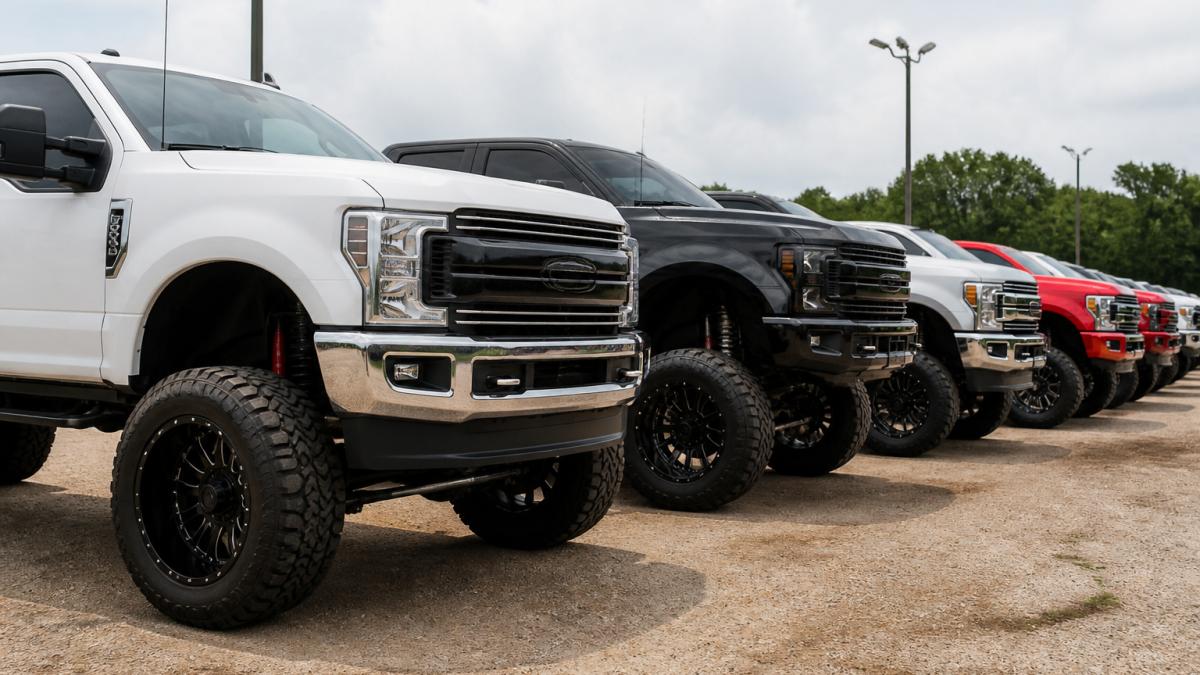
A lifted truck ranges from modest two-inch body lifts to aggressive eight-inch suspension lifts that fundamentally change handling, performance, and maintenance. Before shopping for lifted trucks for sale, clarify what type of lift you're buying, its maintenance costs, and whether it's legal where you drive.
A suspension lift raises the frame and suspension, improving off-road performance and ground clearance but adding maintenance complexity. A body lift raises only the body, offering lower cost with minimal performance impact but no off-road ground clearance gain. Understanding which you're getting matters because it changes maintenance schedules, repair costs, and resale value.
How to Inspect a Used Lifted Truck
Inspecting a lifted truck requires evaluating the modification quality, stress-affected components, and installation professionalism, not just the truck itself.
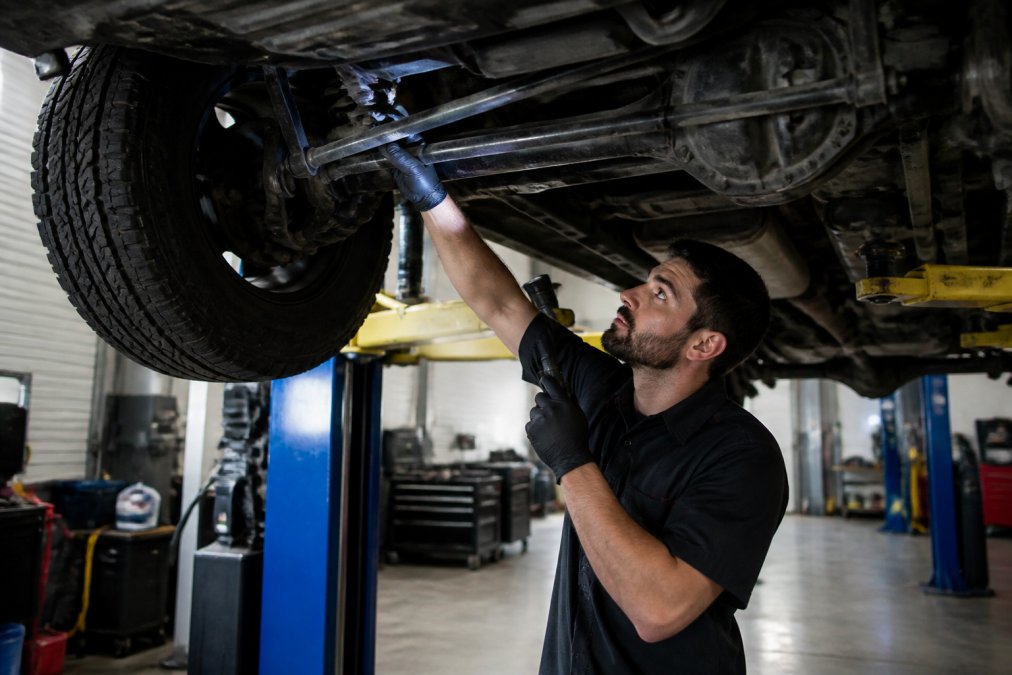
Start with the suspension system. Look for uneven tire wear (alignment issues), shock leaks, and clunking sounds (worn bushings). The lift should feel stable when turning; excessive body roll suggests improper setup.
Examine the frame for cracks or welding marks near lift attachment points, poor installation can compromise structural integrity. Check driveline angles; improper angles cause vibration and accelerate wear. Verify the transfer case, differential, and driveshaft haven't been stressed by geometry changes.
Assess aftermarket accessory quality, established manufacturers hold value better. Check custom wheels and tire tread depth; oversized tires on improperly lifted trucks create driveline stress and reduce fuel efficiency.
Request the vehicle history report before scheduling a test drive. This shows whether the truck has been in accidents, had title issues, or been involved in flood damage. A clean title and accident-free history matter more for a lifted truck than a standard one because modifications can hide underlying structural problems.
Understanding Suspension Lift vs. Body Lift
The difference between suspension lift and body lift determines how the truck performs and what maintenance it requires. Many buyers confuse the two, leading to disappointment when their lifted truck doesn't deliver the off-road capability they expected.
A suspension lift raises the frame, axles, and suspension as one unit, increasing ground clearance and improving approach, departure, and breakover angles for obstacle navigation. The downside is complexity: altered geometry affects ride quality, handling, and driveline angles, requiring more maintenance as components work at unintended angles.
A body lift raises only the body, leaving frame and suspension original. This allows larger tires without suspension modification, costs less, and requires minimal maintenance. However, it doesn't increase frame or axle ground clearance, so it doesn't improve off-road performance like suspension lifts.
Body lifts suit appearance and tire fitment; suspension lifts suit serious off-road use. For balanced highway and occasional off-road use, a modest suspension lift (two to four inches) offers the best compromise.
Suspension lifts from quality manufacturers hold resale value better because they're harder to reverse and more expensive to install. Body lifts are easier to remove, adding less market value.
Cost of Suspension Lift Kits and Custom Modifications
Lifted truck pricing depends on lift type, quality, and other modifications. Understanding cost structure helps evaluate fair pricing for lifted trucks for sale.
Quality suspension lift kits cost more than body lifts, with installation labor adding significantly. Complementary modifications include upgraded shocks, reinforced control arms, extended brake lines, and driveline modifications for the new geometry.
All-terrain tires and custom wheels add expense. A truck with a high-quality lift kit and quality aftermarket components is worth more than one with a cheap lift and mismatched parts.
Maintenance costs increase with lifted suspensions. Components wear faster at different stress angles. Alignments, brake line extensions, and driveline modifications require specialized service costing more than standard maintenance.
Lifted Truck Maintenance Tips and Requirements
Maintaining a lifted truck properly extends its life and prevents expensive failures. Neglecting maintenance accelerates wear on components already under stress from the modification.
Wheel alignment is critical, lifted suspensions change wheel-to-road angles. Misalignment causes uneven tire wear, reduces fuel efficiency, and stresses steering and suspension. Check alignment regularly. Use shops experienced with lifted trucks, as standard shops may lack proper equipment.
Inspect the driveline regularly. Lifted suspensions alter transmission, transfer case, and differential angles. Improper angles create vibration and accelerate wear. Listen for highway vibration and address issues early to prevent failure.
Monitor shock absorber condition. Lifted trucks use aftermarket shocks that handle the suspension's new geometry, but they wear faster than stock shocks. Leaking shocks reduce ride quality and suspension control. Replace them when you notice excessive bouncing after bumps or fluid leaks.
Check bushings and ball joints frequently. These components wear faster in lifted trucks because they work at different angles. Worn bushings create clunking sounds when turning or going over bumps. Worn ball joints affect steering response and safety. Replace them before they fail completely.
Maintain proper tire pressure. Oversize tires on a lifted truck should be inflated to the manufacturer's specification for those tires, not the original truck's specification. Underinflated tires overheat and wear prematurely. Overinflated tires reduce traction and increase wear on the center of the tire.
Flush brake fluid as recommended. Lifted trucks with extended brake lines and custom brake work may need more frequent fluid changes because the system is more complex. Follow the service schedule provided with your lift kit installation.
Financing Options and Trade-In Value
Financing a lifted truck works the same way as financing any used vehicle, but valuation differs. A lifted truck's resale value depends on the quality of the lift, the truck's base condition, and current market demand for lifted vehicles.
Trade-in value for a lifted truck depends on the quality of the lift, the truck's base condition, and current market demand for lifted vehicles.
When financing a lifted truck for sale, lenders evaluate the truck's base value first, then adjust for the lift's condition and quality. A well-maintained lifted truck with documented service history and a quality lift kit will qualify for better financing terms than one with questionable modification history.
Carvibe Houston offers flexible financing options regardless of credit history. We work with multiple lenders to find rates and terms that fit your budget. Our team evaluates trade-in vehicles fairly, accounting for the actual value added by quality modifications.
Safety, Legal Compliance, and Vehicle History
Lifted trucks operate in a legal gray area in many jurisdictions. Before buying, verify that the lift height complies with local regulations in the areas where you'll drive.
Verify that the lift height complies with local regulations in the areas where you'll drive. Violating these regulations can result in fines or being ordered to remove the lift.
Headlight aim becomes critical with a lifted truck. The higher ride height changes where headlights point, potentially blinding oncoming drivers. Many states require headlight aim adjustments when a truck is lifted. A properly aimed headlight system is both a legal requirement and a safety issue.
Brake performance may be affected by a lifted suspension, especially if the truck has extended brake lines or custom brake work. Ensure that braking distance hasn't increased and that the brake system is properly maintained.
Insurance companies need to know about significant modifications. Report the lift kit and any other major modifications to your insurer. Some insurers charge slightly higher premiums for lifted trucks due to increased risk of accidents or theft. Failing to disclose modifications could void coverage.
Request a vehicle history report for any lifted truck you're considering. The report shows whether the truck has been in accidents, had flood damage, or had title issues. A lifted truck with accident history might have hidden frame damage that the lift conceals. Accident history combined with a lift is a red flag.
The National Highway Traffic Safety Administration guidelines on vehicle modifications provide information on safety standards for aftermarket parts. Verify that any lift kit used meets applicable safety standards.
Finding Your Next Lifted Truck
The market for lifted trucks for sale includes dealerships, private sellers, and specialized lifted truck dealers. Each option has trade-offs in terms of selection, warranty, and financing.
Dealerships like Carvibe Houston maintain diverse inventory of pre-owned trucks, including lifted models. We provide vehicle history reports and financing options all in one place. Our technicians can evaluate the quality of the lift installation and flag potential problems before you buy.
Private sellers often price lifted trucks lower than dealerships.
Frequently Asked Questions
How much does it cost to lift a truck with a suspension lift kit?
Suspension lift kit costs vary widely based on lift height, brand quality, and whether you install it yourself or hire a professional. Used lifted trucks for sale often come pre-modified, eliminating this expense and letting you avoid DIY installation risks. For current pricing, please check our website or contact our sales team.
What should I look for when inspecting a used lifted truck?
Check the suspension components for wear, leaks, or uneven settling. Examine shock absorbers, springs, and lift hardware for rust or damage. Verify the truck sits level and doesn't pull to one side. Test the steering and braking response, as lifts can affect handling. Always request a vehicle history report and have a trusted mechanic inspect the drivetrain, axles, and towing capacity before purchase.
Do lifted trucks require special maintenance?
Yes. Lifted trucks need more frequent wheel alignments due to altered suspension geometry. Check shock absorbers and springs regularly for wear. All-terrain tires common on lifted trucks wear faster and need regular rotation. Inspect brake lines and suspension components for stress. Budget for these ongoing costs when calculating total ownership expense.
Can I get financing for a lifted truck if I have a lower credit score?
Carvibe Houston offers flexible financing options regardless of credit history. You may face higher interest rates or be asked for a larger down payment, but pre-approval and trade-in value can improve your terms. Contact us directly about our credit-flexible programs.